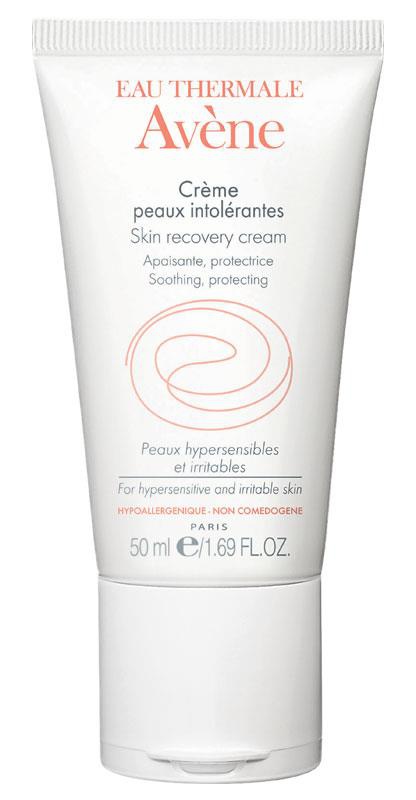
Avene Skin Recovery Cream
Avene Skin Recovery Cream is a specialized moisturizer designed specifically for hypersensitive, reactive, and irritable skin. This minimalist formula is centered around the iconic Avene Thermal Spring Water, which is clinically recognized for its soothing and anti-irritant properties. To provide deep hydration and barrier repair, the cream utilizes Squalane—a skin-identical lipid that mimics natural sebum without the risk of clogging pores. The inclusion of Glycerin helps to lock in moisture, while Mineral Oil acts as a protective occlusive to prevent dehydration caused by environmental stressors. The texture is notably rich and comforting, yet it is formulated to be breathable, making it an excellent choice for those whose skin barrier has been compromised by harsh treatments or weather. Because it is free from fragrances, parabens, and common irritants, it provides a safe haven for skin that typically reacts to standard skincare. It leaves the complexion feeling soft, supple, and significantly calmer without a heavy or greasy residue.
Our Analysis
Our analysis of Avene Skin Recovery Cream confirms a LOW comedogenic risk level, with zero flagged ingredients found in the formula. While the presence of Mineral Oil often concerns those with oily skin, the pharmaceutical-grade version used here is non-comedogenic and serves as an effective barrier protector. The addition of Squalane is particularly beneficial for acne-prone users, as it provides essential fatty acids without the pore-clogging potential of heavier oils. This minimalist approach focuses on high-purity ingredients, ensuring that the skin remains hydrated and protected without the risk of triggering inflammatory acne or congestion.
Skin Type Recommendations
This product is ideal for dry, sensitive, and reactive skin types. Thanks to its low comedogenic rating, it is also perfectly safe for acne-prone individuals seeking barrier repair. Those with very oily skin may prefer it as a night cream due to its rich, emollient texture.
Flagged Ingredients
This product does not contain known high-risk comedogenic ingredients.
MACR Analysis
5-Axis AI-Powered Risk Assessment
Recommendations
This leave-on cream is generally safe and well-tolerated, making it a good option for most skin types, including acne-prone, sensitive, and dry skin.
Normal skin, Dry skin, Sensitive skin, Acne-prone skin (with individual sensitivity testing), Fungal acne-prone skin
Extremely oily skin, Individuals with a known sensitivity to mineral oil or silicones
- •Patch test on a small area of the face before full application, especially if you have a history of sensitivity to mineral oil or silicones.
- •Use as part of a balanced skincare routine.
- •Ensure thorough cleansing at the end of the day.
Overall Risk Score
Lower is better
Score by Skin Type
Lower is better
Same product, different risks based on your skin type
This leave-on cream presents a low overall comedogenic risk, primarily due to its carefully selected ingredients. The low scores across all axes, particularly for fungal acne and oxidation risk, indicate good tolerability for most skin types, including acne-prone and sensitive individuals.
Risk Breakdown
Why This Score?
The overall score is calculated by weighting each axis (PR, BR, FR, OR, UR) by its respective importance and summing them up. This product scores low on all axes, with minor contributions from Mineral Oil (PR/UR) and Triethanolamine (BR) due to their potential, albeit low, for irritation or occlusion in specific cases.
Main factors:
- •Low inherent risk of most ingredients (e.g., Squalane, silicones, glycerin).
- •Absence of high-risk ingredients for PR, FR, and OR.
- •The leave-on format, which amplifies the scores of individual ingredients compared to a rinse-off product.
Reducing factors:
- •The absence of known high comedogenic or fungal acne-feeding ingredients.
- •The inclusion of barrier-supporting ingredients like Squalane and Glycerin.
- •The 'leave-on' format, which means even minor risks from ingredients are slightly amplified compared to a rinse-off product where contact time is minimal.
Skin Type Considerations
This analysis uses the Multi-Axis Comedogenic Risk (MACR) system. Results are AI-estimated and cannot account for actual ingredient concentrations. Individual reactions may vary. Consult a dermatologist for personalized advice.