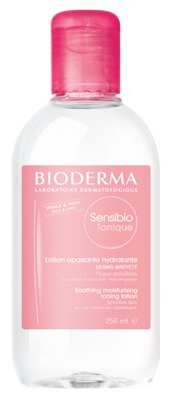
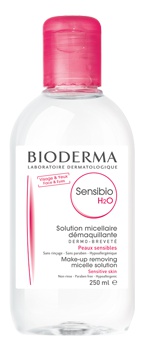
Bioderma Sensibio H2O Micellar Water
Bioderma Sensibio H2O Micellar Water is a legendary French pharmacy staple renowned for its ability to cleanse and remove makeup without stripping the skin. Formulated specifically for sensitive skin, this micellar water uses a unique micellar technology that mimics the skin's natural biology. The formula features Peg-6 Caprylic/Capric Glycerides, which gently lifts dirt and impurities while respecting the hydrolipidic film. Key prebiotic sugars like Mannitol, Xylitol, and Fructooligosaccharides help soothe inflammation and strengthen the skin barrier against environmental stressors. The texture is lightweight and identical to water, leaving no greasy residue behind. This makes it an ideal first-step cleanser in a double-cleansing routine or a quick midday refresh. Its alcohol-free and fragrance-free profile ensures that even the most reactive skin types remain calm and hydrated. Because it contains no oils or harsh surfactants, it effectively removes stubborn makeup while maintaining the skin's physiological balance, making it a reliable choice for daily use.
Our Analysis
Our deep dive into the Bioderma Sensibio H2O Micellar Water ingredients reveals a remarkably clean profile for those concerned about breakouts. With a LOW comedogenic risk level, this product passed our check with zero flagged pore-clogging ingredients. The formula relies on mild surfactants and humectants rather than heavy oils or waxes that typically trigger acne. It is rare to find a makeup remover that is both effective and completely non-comedogenic, but Bioderma achieves this by using high-purity ingredients that respect the skin's microbiome. It is a safe, acne-friendly staple for any skincare routine.
Skin Type Recommendations
This micellar water is best suited for sensitive, reactive, and acne-prone skin types. Its oil-free, non-comedogenic formula also makes it excellent for oily and combination skin. While it works for dry skin, those with extreme dryness may still need a hydrating cream cleanser afterward to maintain moisture levels.
Flagged Ingredients
This product does not contain known high-risk comedogenic ingredients.
MACR Analysis
5-Axis AI-Powered Risk Assessment
Recommendations
This serum is best avoided by individuals highly prone to breakouts or with compromised skin barriers, but may be tolerated by resilient skin types seeking hydration.
Normal skin seeking hydration, Individuals looking for a lightweight, water-based serum
Oily skin, Acne-prone skin, Sensitive skin, Fungal acne-prone skin
Individuals with highly reactive or compromised skin barriers, Those with severe fungal acne
- •Patch test on a small area of skin before full facial application.
- •Use sparingly to minimize potential irritation.
- •Monitor skin's reaction, especially if using other potentially sensitizing products.
Overall Risk Score
Lower is better
Score by Skin Type
Lower is better
Same product, different risks based on your skin type
This leave-on serum presents a moderate risk, primarily driven by the barrier disruption potential of Propylene Glycol and Cetrimonium Bromide, compounded by a mild fungal acne risk from Peg-6 Caprylic/Capric Glycerides. While containing beneficial humectants and plant extracts, the combination of ingredients poses a higher risk for oily and acne-prone skin types.
Risk Breakdown
Ingredient Interactions
These ingredients may interact to increase risk beyond their individual scores.
Both Propylene Glycol and Cetrimonium Bromide have the potential to disrupt the skin barrier independently. Their combination, especially with Propylene Glycol at a higher concentration, can lead to more significant barrier impairment, increasing the risk of irritation and reactive breakouts.
Propylene Glycol's humectant properties can lead to dehydration if the barrier is compromised, while Cetrimonium Bromide's cationic nature can disrupt the lamellar lipid structure of the stratum corneum, leading to increased permeability and sensitivity.
Why This Score?
The overall risk score is calculated based on the weighted average of five axes. The most significant contributors to this score are Barrier Risk (BR) due to Propylene Glycol and Cetrimonium Bromide, and User-Reported (UR) concerns, particularly related to emulsifiers like Peg-6 Caprylic/Capric Glycerides. Plugging Risk (PR) is moderate due to some inherent properties of the emulsifier. Fungal Risk (FR) is low but present, and Oxidation Risk (OR) is minimal.
Main factors:
- •Barrier Risk (BR) from Propylene Glycol and Cetrimonium Bromide
- •User-Reported (UR) concerns related to emulsifiers
- •Plugging Risk (PR) from emulsifier properties
Reducing factors:
- •Leave-on product format means ingredients have longer contact time, but no extreme occlusives are present.
- •Presence of beneficial humectants like Xylitol and Rhamnose.
- •Absence of highly notorious comedogenic or barrier-disrupting oils/butters.
- •Low concentration of ingredients in the latter half of the INCI list.
Skin Type Considerations
This analysis uses the Multi-Axis Comedogenic Risk (MACR) system. Results are AI-estimated and cannot account for actual ingredient concentrations. Individual reactions may vary. Consult a dermatologist for personalized advice.