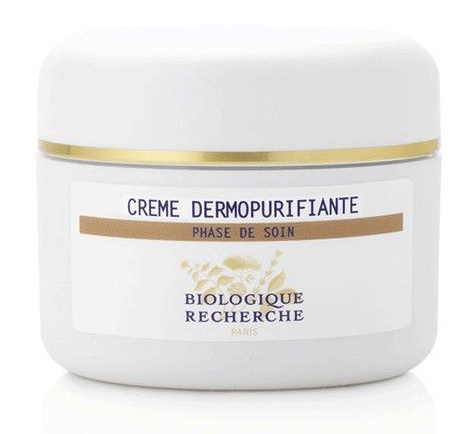
Biologique Recherche Creme Dermopurifiante (Discontinued)
Biologique Recherche Creme Dermopurifiante was formulated as a specialized purifying cream intended to address the needs of seborrheic and unbalanced skin. Known for its sophisticated blend of active ingredients, this product aimed to regulate sebum production while providing essential hydration. The formula contains humectants like Glycerin and Propylene Glycol to draw moisture into the skin, alongside a variety of fatty alcohols and acids that provide a smooth, creamy texture. While the brand marketed this for oily skin, a closer look at the ingredients reveals a complex profile. The presence of emollient bases like Caprylic/Capric Triglyceride and Cetyl Alcohol gives it a moisturizing feel that protects the skin barrier. However, for those tracking ingredient safety for acne, this discontinued classic presents several red flags. It is important for users to understand how these specific components interact with their pores. While it may feel luxurious and refining upon application, its legacy in the skincare world is complicated by its potential to trigger congestion in sensitive individuals.
Our Analysis
Our expert analysis classifies the Biologique Recherche Creme Dermopurifiante as having a high comedogenic risk. The primary concern is Algae Extract, rated 5/5, which contains iodides that can irritate the pore lining and trigger inflammation. Furthermore, the combination of Stearic Acid, Palmitic Acid, and multiple fatty alcohols like Cetyl and Cetearyl alcohol creates a highly occlusive barrier. While these are great for moisture retention, they significantly increase the risk of micro-comedones. The synergistic effect of these ingredients often proves too heavy for skin that is already prone to blockages and breakouts, making it a risky choice for clear skin maintenance.
Skin Type Recommendations
This product is generally unsuitable for oily, acne-prone, or combination skin types due to the high concentration of pore-clogging ingredients. Individuals with very dry or mature skin might tolerate the occlusive nature of the fatty acids, but those with sensitive skin should be wary of the potential irritation from Algae Extract.
Flagged Ingredients
Rich in iodides which irritate the pore lining, triggering inflammation and micro-comedones.
A fatty alcohol (emollient) that is generally safe, but can be problematic for very sensitive individuals.
Fractionated coconut oil; removed most clogging long-chain acids but can still affect some.
Found in many butters; thickening agent with low-moderate risk.
Saturated fatty acid; provides barrier but can be occlusive.
Fatty alcohol emollient with low-moderate comedogenicity on its own. However, when combined with Ceteareth-20, the synergistic effect can significantly increase pore-clogging potential (combined rating of 4).
Want Deeper Analysis?
Run our MACR (Multi-Axis Comedogenic Risk) analysis to get a comprehensive 5-axis risk assessment. This AI-powered analysis evaluates ingredients for Plugging Risk, Barrier Damage, Fungal Acne Risk, Oxidation Risk, and real-world User Reports — giving you personalized scores for your skin type.