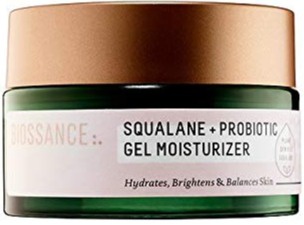
BIOSSANCE Squalane + Probiotic Gel Moisturizer (Discontinued)
The BIOSSANCE Squalane + Probiotic Gel Moisturizer was designed as a lightweight, cooling treatment to balance and soothe the skin. Formulated with the brand’s signature sugarcane-derived Squalane, this gel-based moisturizer aimed to provide deep hydration without a heavy or greasy feel. It features high-quality humectants like Glycerin and skin-smoothing Dimethicone for a silky application, while the inclusion of probiotics was intended to support a healthy skin microbiome and reduce redness. Despite its discontinued status, many users were drawn to its weightless texture, making it appear ideal for those seeking a refreshing, breathable finish. However, a closer look at the full formula reveals that while it contains highly beneficial emollients, it also includes certain thickeners and fatty acids that may not align with every skin type’s needs. The combination of calming squalane and barrier-supporting ingredients makes it an interesting study in formulation, especially for those looking to understand why certain gel moisturizers might still cause issues for congestion-prone skin despite their light texture.
Our Analysis
Our analysis reveals a High Comedogenic Risk for this BIOSSANCE moisturizer. The primary concern is Carrageenan, a seaweed-derived thickener with a maximum comedogenic rating of 5/5. It creates a physical film on the skin that can trap bacteria and debris, frequently leading to breakouts. Additionally, Oleic Acid (4/5) is present, which can disrupt skin barrier function and induce pore blockage. Lastly, Caprylic/Capric Triglyceride (2/5) adds further risk for those highly sensitive to coconut derivatives. Despite the lightweight gel marketing, these specific ingredients make the formula problematic for anyone struggling with active acne or congestion.
Skin Type Recommendations
This moisturizer is best suited for dry or mature skin types that are not prone to acne. Due to the high risk of clogged pores from carrageenan and oleic acid, we strongly advise those with oily, combination, or acne-prone skin to avoid this product to prevent potential breakouts.
Flagged Ingredients
Highly comedogenic thickener; creates a physical film that traps bacteria and debris.
Disrupts skin barrier function and induces pore blockage.
Fractionated coconut oil; removed most clogging long-chain acids but can still affect some.
Want Deeper Analysis?
Run our MACR (Multi-Axis Comedogenic Risk) analysis to get a comprehensive 5-axis risk assessment. This AI-powered analysis evaluates ingredients for Plugging Risk, Barrier Damage, Fungal Acne Risk, Oxidation Risk, and real-world User Reports — giving you personalized scores for your skin type.