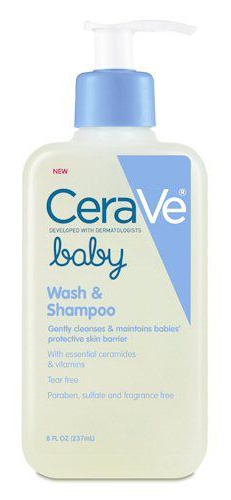
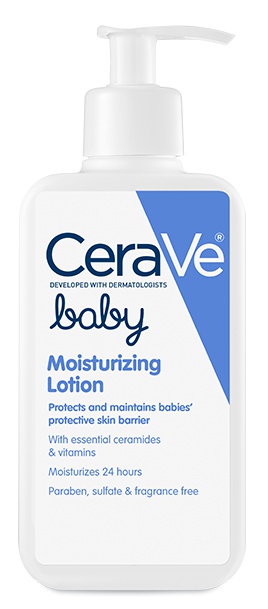
CeraVe Baby Moisturizing Lotion
CeraVe Baby Moisturizing Lotion is designed as a gentle hydrator for delicate skin, but its formulation contains components that require a closer look for those with acne-prone tendencies. As a brand, CeraVe is renowned for its skin-barrier-focused products, and this lotion is no exception, featuring essential ceramides and hyaluronic acid to lock in moisture. The texture is lightweight yet deeply emollient, thanks to the inclusion of purified water and caprylic/capric triglyceride. While it aims to provide 24-hour hydration without being greasy, the ingredient list reveals several heavy hitters that contribute to its rich, creamy feel. It spreads easily and absorbs relatively quickly, making it a popular choice for body application or for those with extremely dry patches. However, the presence of specific fatty alcohols and esters means that while it feels soothing on the surface, it may behave differently beneath the skin's surface for those prone to congestion. It is fragrance-free and paraben-free, catering to the sensitivity of infant skin, but users with adult hormonal acne or oily skin should proceed with caution when applying it to the face.
Our Analysis
Our analysis of CeraVe Baby Moisturizing Lotion reveals a High comedogenic risk level. While formulated for babies, several ingredients are problematic for acne-prone skin. Specifically, Lauric Acid and Polyglyceryl-3 Diisostearate both carry a high rating of 4/5, often forming a suffocating film or clogging pores due to their molecular structure. Additionally, while Cetearyl and Cetyl alcohols are common emollients, their combination within an emulsifying wax system can create a synergistic effect that significantly increases pore-clogging potential. If you are prone to blackheads or breakouts, these heavy esters and fatty alcohols may trigger new congestion or whiteheads.
Skin Type Recommendations
This lotion is best suited for individuals with very dry or eczematous skin on the body. However, it is not recommended for oily, combination, or acne-prone skin types, especially for facial use. Those with sensitive, non-acne-prone skin may find it soothing, but the high comedogenic risk makes it a gamble for many.
Flagged Ingredients
Can be irritating and clogging in isolation due to molecular structure.
Heavy emollient that can form a suffocating film on the skin.
Fractionated coconut oil; removed most clogging long-chain acids but can still affect some.
Fatty alcohol emollient with low-moderate comedogenicity on its own. However, when combined with Ceteareth-20, the synergistic effect can significantly increase pore-clogging potential (combined rating of 4).
A fatty alcohol (emollient) that is generally safe, but can be problematic for very sensitive individuals.
Want Deeper Analysis?
Run our MACR (Multi-Axis Comedogenic Risk) analysis to get a comprehensive 5-axis risk assessment. This AI-powered analysis evaluates ingredients for Plugging Risk, Barrier Damage, Fungal Acne Risk, Oxidation Risk, and real-world User Reports — giving you personalized scores for your skin type.