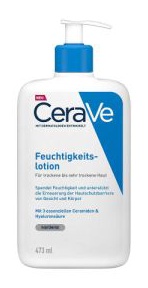
CeraVe Moisturizing Lotion
CeraVe Moisturizing Lotion is a ubiquitous choice in the skincare world, marketed as a lightweight, non-greasy solution for maintaining the skin's natural barrier. As a body and face moisturizer, it utilizes a blend of glycerin and caprylic/capric triglyceride to provide immediate hydration and a smooth finish. The formula is designed to be easily absorbed, making it a popular base for many daily routines. It features a fluid texture that appeals to those who dislike heavy creams. However, while the brand is often recommended by dermatologists for general skin health, the ingredient profile tells a more complex story for those with specific skin concerns. The first five ingredients emphasize humectants and fatty alcohols, which are typically great for moisture retention. Yet, beneath the surface, the inclusion of certain emulsifiers and thickeners raises red flags for individuals prone to congestion. Understanding how these ingredients interact is essential for anyone trying to maintain clear skin while seeking the hydrating benefits that this CeraVe staple is known for.
Our Analysis
Our analysis classifies CeraVe Moisturizing Lotion as a HIGH comedogenic risk. The most concerning ingredient is Ceteareth-20, which carries a maximum rating of 5/5. This ingredient acts as a penetration enhancer that can lead to deep pore congestion. Crucially, when Ceteareth-20 is paired with Cetearyl Alcohol, their synergistic effect creates a highly comedogenic environment with a combined rating of 4. We also flagged Polyglyceryl-3 Diisostearate (Rating 4/5), a heavy emollient that can trap debris. While the lotion offers hydration via glycerin, the risk of 'CeraVe-induced' breakouts is significant for those with acne-prone or reactive skin.
Skin Type Recommendations
This product is best for dry to very dry skin types, particularly on the body where skin is less prone to clogging. It is not recommended for oily, combination, or acne-prone skin. The combination of Ceteareth-20 and fatty alcohols makes it a likely trigger for closed comedones and inflammatory acne.
Flagged Ingredients
Highly comedogenic penetration enhancer. Opens the skin barrier to drag other ingredients deeper, causing congestion.
Heavy emollient that can form a suffocating film on the skin.
Fractionated coconut oil; removed most clogging long-chain acids but can still affect some.
Fatty alcohol emollient with low-moderate comedogenicity on its own. However, when combined with Ceteareth-20, the synergistic effect can significantly increase pore-clogging potential (combined rating of 4).
A fatty alcohol (emollient) that is generally safe, but can be problematic for very sensitive individuals.
Pure Vitamin E is thick and sticky; safe in small amounts as an antioxidant, but potentially clogging in pure oil form.
Want Deeper Analysis?
Run our MACR (Multi-Axis Comedogenic Risk) analysis to get a comprehensive 5-axis risk assessment. This AI-powered analysis evaluates ingredients for Plugging Risk, Barrier Damage, Fungal Acne Risk, Oxidation Risk, and real-world User Reports — giving you personalized scores for your skin type.