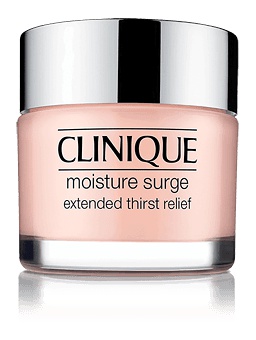
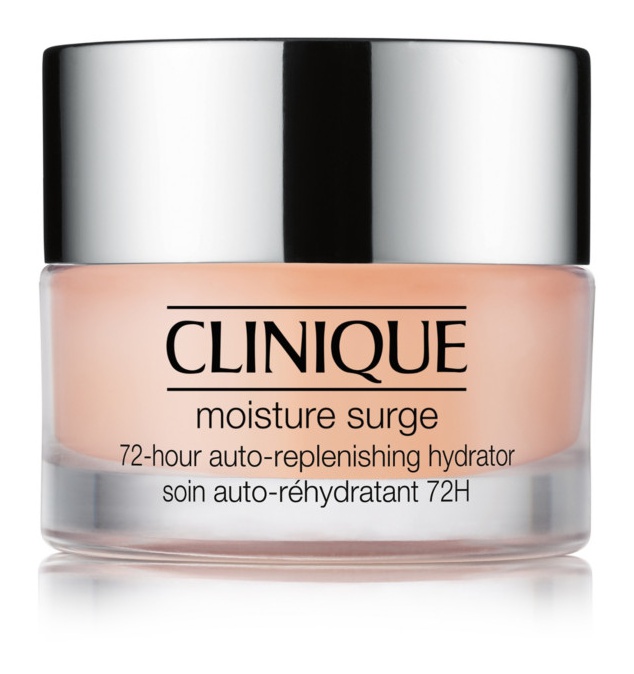
Clinique Moisture Surge 72-Hour Auto-Replenishing Hydrator
Clinique Moisture Surge 72-Hour Auto-Replenishing Hydrator is a lightweight, oil-free gel-cream designed to provide deep, long-lasting moisture. As a staple in the Clinique skincare lineup, this hydrator utilizes Auto-Replenishing Technology to help the skin create its own internal water source for continuous rehydration. Looking at the ingredient profile, the formula is powered by high-performance humectants like Glycerin and Butylene Glycol, which work effectively to draw moisture into the skin's surface. The inclusion of Dimethicone and Trisiloxane ensures a silky-smooth application, providing a protective barrier that locks in hydration without the heavy, greasy feel of traditional creams. This product is particularly notable for its refreshing, water-gel texture that absorbs almost instantly, making it an excellent choice for layering under makeup or as part of a multi-step skincare routine. It aims to provide 72 hours of hydration, even after washing your face, by utilizing a multi-layered approach to moisture. For those seeking a plump, dewy glow without the risk of heavy waxes or occlusive oils, this formulation offers a balanced approach to skin health.
Our Analysis
Our analysis of the Clinique Moisture Surge 72-Hour Auto-Replenishing Hydrator reveals a very low comedogenic risk profile, making it a standout choice for clear skin. After cross-referencing the full ingredient list against our database of known pore-clogging triggers, we found zero flagged ingredients. The formula relies on water-binding humectants and lightweight, volatile silicones like Trisiloxane, which provide a smooth finish without suffocating the pores. This lack of oils and heavy esters makes it exceptionally safe for individuals prone to breakouts or congestion. You can use this hydrator with confidence, knowing it prioritizes hydration without compromising pore health.
Skin Type Recommendations
This hydrator is ideal for oily, combination, and acne-prone skin types due to its oil-free, non-comedogenic formula. Its lightweight gel texture provides essential moisture without triggering breakouts or excess shine. Sensitive skin types will also appreciate the gentle formulation, though those with extremely dry skin may prefer it as a hydrating serum layer.
Flagged Ingredients
This product does not contain known high-risk comedogenic ingredients.
MACR Analysis
5-Axis AI-Powered Risk Assessment
Recommendations
This serum is best suited for those seeking hydration and antioxidant benefits, with caution advised for individuals highly prone to acne or experiencing significant skin sensitivity.
Normal skin, Dry skin (seeking lightweight hydration), Combination skin
Oily skin, Acne-prone skin, Sensitive skin
Individuals with a known sensitivity to silicones or glycols, Extremely reactive skin
- •Patch test on a small area before applying to the entire face.
- •Apply a thin layer to avoid excessive occlusion.
- •Ensure thorough cleansing at night to remove any residual occlusive ingredients.
Overall Risk Score
Lower is better
Score by Skin Type
Lower is better
Same product, different risks based on your skin type
This leave-on serum presents a low to moderate overall comedogenic risk, primarily driven by the high placement of silicones and penetration enhancers, which can be concerning for acne-prone individuals. While most ingredients are benign, potential for barrier disruption and mild occlusion warrants caution for sensitive and oily skin types.
Risk Breakdown
Ingredient Interactions
These ingredients may interact to increase risk beyond their individual scores.
Butylene Glycol, positioned high in the INCI, can act as a penetration enhancer for Dimethicone and other ingredients, potentially increasing their occlusive effect or driving them deeper into the pores for those prone to congestion.
Butylene Glycol's solvent and humectant properties can temporarily disrupt the intercellular lipids of the stratum corneum, facilitating deeper penetration of subsequent ingredients like Dimethicone. This increased penetration, especially of an occlusive ingredient, may heighten the risk of pore blockage.
Why This Score?
The overall score is calculated by weighting the risk factors of individual ingredients. High concentrations of occlusive silicones (Dimethicone) and penetration enhancers (Butylene Glycol) at the top of the list contribute significantly to the Plugging Risk (PR) and Barrier Risk (BR). Oxidation Risk (OR) is moderately present due to the inclusion of Vitamin C derivative and antioxidants at lower concentrations. User-Reported (UR) concerns are minimal given the absence of commonly flagged ingredients, but the presence of certain silicones and solvents flags it slightly. The weighted formula results in a moderate overall score.
Main factors:
- •Plugging Risk (PR) due to high concentration Dimethicone and Butylene Glycol
- •Barrier Risk (BR) due to Butylene Glycol's penetration enhancing properties
- •Oxidation Risk (OR) from Vitamin C derivative and BHT
Reducing factors:
- •Absence of high-risk oils, butters, and esters
- •Majority of ingredients are known to be safe and well-tolerated
- •Low concentration of potentially problematic ingredients due to INCI position
- •Not a rinse-off product, so concentration effects are considered for leave-on
Skin Type Considerations
This analysis uses the Multi-Axis Comedogenic Risk (MACR) system. Results are AI-estimated and cannot account for actual ingredient concentrations. Individual reactions may vary. Consult a dermatologist for personalized advice.