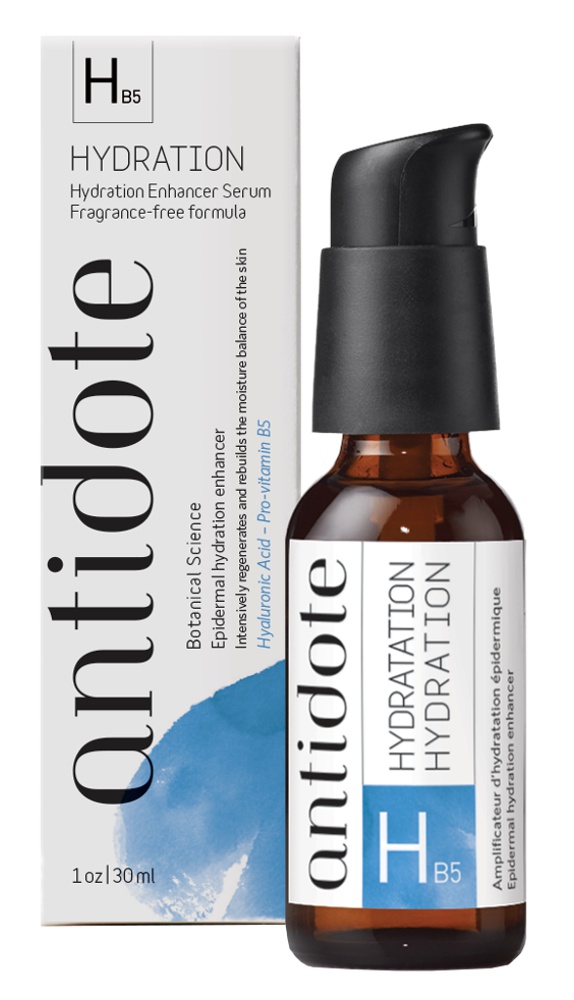
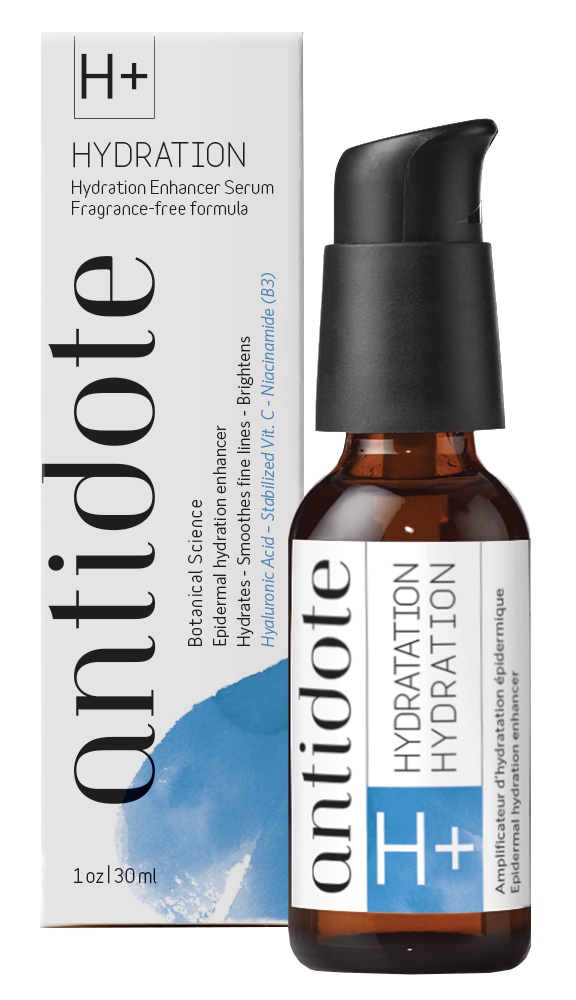
Corpa Flora Antidote H+
Corpa Flora Antidote H+ is a sophisticated antioxidant hydrator designed to brighten the complexion while reinforcing the skin's natural barrier. This lightweight serum features a base of soothing Aloe Barbadensis Leaf Juice and Deionized Water, providing immediate relief to stressed skin. The star ingredient, Ethyl Ascorbic Acid, is a highly stable and effective form of Vitamin C that targets dark spots and dullness without the irritation often caused by traditional acids. Enhanced with Lactobacillus Ferment, a powerful probiotic ingredient, this formula supports a healthy skin microbiome. The texture is aqueous and fast-absorbing, leaving no sticky residue, making it an ideal first step in any skincare routine. It’s a clean, plant-based solution for those looking to protect their skin from environmental stressors while maintaining deep, weightless hydration.
Our Analysis
Our analysis of Corpa Flora Antidote H+ confirms a LOW comedogenic risk level, with zero flagged ingredients in the formulation. This product is exceptionally clean, avoiding common pore-cloggers like heavy oils, synthetic esters, and waxes that often trigger breakouts in acne-prone individuals. The use of Propanediol as a humectant and Ethyl Ascorbic Acid as the active antioxidant ensures that the product delivers results without compromising pore clarity. For those who struggle with congestion, this formula provides a safe way to incorporate Vitamin C into a daily regimen without fear of inflammatory acne or blackheads.
Skin Type Recommendations
Antidote H+ is highly recommended for all skin types, particularly oily, combination, and acne-prone skin due to its non-comedogenic profile. Sensitive skin types will benefit from the calming properties of aloe and probiotics. Dry skin types will enjoy the hydration but should layer it under a lipid-rich moisturizer or oil.
Flagged Ingredients
This product does not contain known high-risk comedogenic ingredients.
MACR Analysis
5-Axis AI-Powered Risk Assessment
Recommendations
This serum is best suited for individuals seeking mild exfoliation and brightening, but should be used cautiously by those with highly reactive, sensitive, or acne-prone skin.
Individuals seeking mild exfoliation, Those targeting dullness and uneven skin tone, Skin types that tolerate mild AHAs well
Acne-prone skin (potential for breakouts), Sensitive skin (potential for irritation), Individuals using other strong exfoliants concurrently
Individuals with known sensitivities to AHAs or citrus extracts, Those with severely compromised skin barrier
- •Patch test on a small area before full face application.
- •Introduce gradually, perhaps 2-3 times per week.
- •Always use sunscreen during the day when using products containing AHAs.
- •If irritation occurs, reduce frequency or discontinue use.
Overall Risk Score
Lower is better
Score by Skin Type
Lower is better
Same product, different risks based on your skin type
This leave-on serum presents a moderate overall comedogenic risk, primarily driven by the combined effect of multiple botanical extracts containing alpha-hydroxy acids (AHAs) and the penetration-enhancing properties of Propanediol. While containing many safe ingredients, the synergistic potential for barrier disruption and exfoliation warrants caution for acne-prone and sensitive skin types.
Risk Breakdown
Ingredient Interactions
These ingredients may interact to increase risk beyond their individual scores.
The combination of multiple botanical extracts containing natural alpha-hydroxy acids (AHAs) significantly increases the potential for cumulative mild barrier disruption and exfoliation, especially given their presence in the top half of the ingredient list.
The formulation includes five distinct botanical extracts that are known sources of alpha-hydroxy acids (AHAs). These include Bilberry (AHAs), Sugar Cane (glycolic acid), Sugar Maple (malic acid), Orange (AHAs), and Lemon (citric acid). When present together, even if at moderate individual concentrations, their combined effect on epidermal exfoliation and potential disruption of the stratum corneum's lipid barrier is amplified. This cumulative effect can lead to increased sensitivity and reactive breakouts in susceptible individuals.
Propanediol acts as a penetration enhancer, increasing the uptake of the naturally occurring AHAs from the botanical extracts, thereby potentiating their exfoliating and potential barrier-disrupting effects.
Propanediol is recognized for its ability to act as a solvent and penetration enhancer. In this formulation, it is present early in the INCI list, suggesting a significant concentration. Its presence can facilitate the penetration of the alpha-hydroxy acids (AHAs) derived from the multiple botanical extracts (Bilberry, Sugar Cane, Sugar Maple, Orange, Lemon) into the stratum corneum and potentially deeper layers of the epidermis. This enhanced penetration can amplify the exfoliating action of the AHAs and increase the likelihood of mild barrier disruption and irritation.
Why This Score?
The overall score is calculated by weighting each axis and summing the results. The PR is low due to lack of heavy occlusives. BR is elevated by Propanediol and the cumulative effect of AHAs. FR is minimal. OR is present due to Ethyl Ascorbic Acid. UR is low as no typically high-UR ingredients are present. The top ingredients contribute significantly to the PR and BR axes.
Main factors:
- •Barrier Risk (BR) due to multiple AHA-containing extracts and Propanediol
- •Oxidation Risk (OR) due to Ethyl Ascorbic Acid
- •Synergistic effects of penetration enhancement and cumulative exfoliation
Reducing factors:
- •Absence of high-comedogenic oils, butters, and esters
- •Presence of beneficial ingredients like Niacinamide and Hyaluronic Acid
- •This is a leave-on product, so ingredient contact time is maximized, but formulation density is typical for a serum, not a heavy cream.
Skin Type Considerations
This analysis uses the Multi-Axis Comedogenic Risk (MACR) system. Results are AI-estimated and cannot account for actual ingredient concentrations. Individual reactions may vary. Consult a dermatologist for personalized advice.