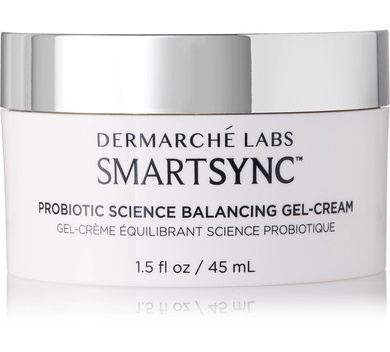
Demarché Labs Smartsync Probiotic Science Balancing Gel Cream
Demarché Labs Smartsync Probiotic Science Balancing Gel Cream is designed to harmonize the skin's microbiome while providing lightweight hydration. Formulated with key ingredients like Squalane and Lactobacillus Ferment Lysate Filtrate, this gel cream aims to support the skin's natural barrier and maintain a healthy, balanced complexion. The inclusion of Glycerin and Isosorbide Dicaprylate ensures that the skin remains hydrated throughout the day without feeling heavy or greasy, a texture typically favored by those seeking a refreshing finish. While the probiotic technology is innovative for skin health, the product's overall formulation requires a closer look for those with specific skin concerns. This product bridges the gap between science-backed biotechnology and daily skincare, offering a sophisticated approach to moisture. However, its effectiveness as a truly balancing product is complicated by the presence of certain structural ingredients that may interfere with pore clarity, making it essential to evaluate the full ingredient profile against your specific skin sensitivity and acne history.
Our Analysis
Our analysis of the Demarché Labs Smartsync Gel Cream reveals a HIGH comedogenic risk level, making it a cautious choice for clear skin. The formula contains high-risk ingredients such as Oleic Acid and Algin, both scoring a 4/5 on the comedogenic scale. Oleic acid is known to disrupt barrier function and induce pore blockages, while Algin can create a film that traps sebum. Additionally, the presence of Capric/Caprylic Triglyceride and Cetyl Alcohol may further exacerbate issues for those with highly reactive or congestion-prone skin types, potentially leading to breakouts.
Skin Type Recommendations
This gel cream is best suited for individuals with very dry or mature skin that is not prone to breakouts. We strongly advise those with oily, combination, or acne-prone skin to avoid this formula, as the combination of Algin and Oleic Acid presents a significant risk for pore clogging.
Flagged Ingredients
Disrupts skin barrier function and induces pore blockage.
Polysaccharide thickener derived from brown algae; creates clogging films.
Fractionated coconut oil; removed most clogging long-chain acids but can still affect some.
A fatty alcohol (emollient) that is generally safe, but can be problematic for very sensitive individuals.
Want Deeper Analysis?
Run our MACR (Multi-Axis Comedogenic Risk) analysis to get a comprehensive 5-axis risk assessment. This AI-powered analysis evaluates ingredients for Plugging Risk, Barrier Damage, Fungal Acne Risk, Oxidation Risk, and real-world User Reports — giving you personalized scores for your skin type.