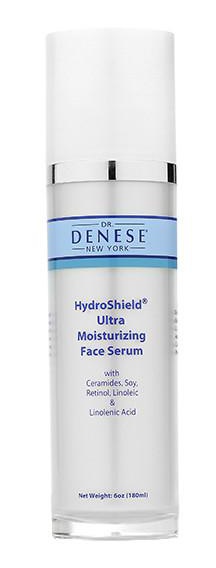
dr. denese Hydroshield Ultra Moisturizing Face Serum
Dr. Denese Hydroshield Ultra Moisturizing Face Serum is a cult-favorite treatment designed to lock in moisture and target the visible signs of aging. Formulated by Dr. Adrienne Denese, this serum stands out for its unique blend of lipid-replenishing ingredients. The formula features a Dimethicone base, providing a silky, smooth finish that acts as a protective moisture veil for the skin. Key beneficial ingredients include Ceramide II and Glycine Soja (Soybean) Seed Extract, which work together to reinforce the skin's natural barrier and maintain elasticity. Additionally, the inclusion of Retinol helps to refine skin texture and improve the appearance of fine lines over time. While it provides an intense surge of hydration, the texture is famously rich and viscous, making it a powerful tool for those struggling with chronic dehydration. However, because it contains specific fatty acids like Oleic Acid, it requires a closer look for those with congestion-prone skin to ensure it aligns with their personal skincare goals.
Our Analysis
Our analysis of the Dr. Denese Hydroshield Ultra Moisturizing Face Serum reveals a moderate comedogenic risk. The primary concern for acne-prone users is the presence of Oleic Acid, which carries a high comedogenic rating of 4/5. Oleic acid can disrupt skin barrier function in some individuals and is known to induce pore blockage. Additionally, the formula contains Tocopherol (Vitamin E) with a rating of 2/5. While Tocopherol is an excellent antioxidant, in concentrated forms, it can be thick and potentially clogging for those sensitive to heavier oils and waxes.
Skin Type Recommendations
This serum is ideal for dry, very dry, and mature skin types that need intense moisture and barrier repair. However, it is not recommended for oily or acne-prone skin. The moderate risk levels of Oleic Acid and Tocopherol make it likely to trigger breakouts or congestion in those with active acne.
Flagged Ingredients
Disrupts skin barrier function and induces pore blockage.
Pure Vitamin E is thick and sticky; safe in small amounts as an antioxidant, but potentially clogging in pure oil form.
Want Deeper Analysis?
Run our MACR (Multi-Axis Comedogenic Risk) analysis to get a comprehensive 5-axis risk assessment. This AI-powered analysis evaluates ingredients for Plugging Risk, Barrier Damage, Fungal Acne Risk, Oxidation Risk, and real-world User Reports — giving you personalized scores for your skin type.