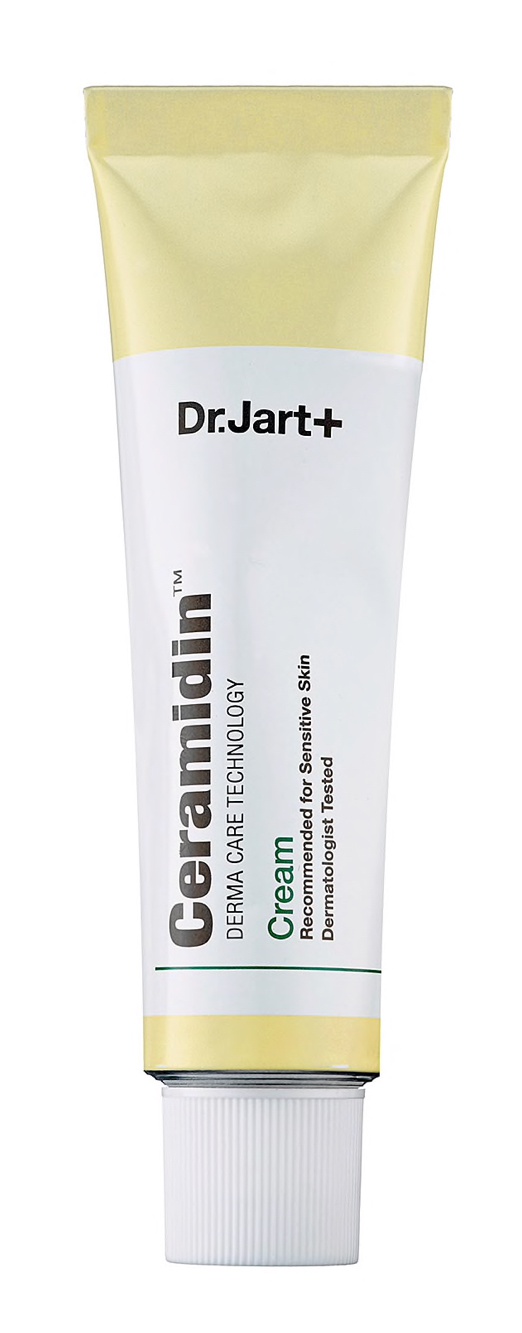
Dr. Jart+ Ceramidin Cream (Discontinued)
Dr. Jart+ Ceramidin Cream was once a cult-favorite moisturizer designed to strengthen the skin's natural moisture barrier. Known for its rich, buttery texture, this cream relies on a blend of ceramides, glycerin, and emollients like Caprylic/Capric Triglyceride to provide deep hydration and relief for dry, dehydrated skin. It was particularly popular for those dealing with a compromised skin barrier or environmental stress. The first five ingredients—Water, Glycerin, Dipropylene Glycol, Caprylic/Capric Triglyceride, and Hydrogenated Poly[C6-14 Olefin]—suggest a formula focused on humectants and occlusives to lock in moisture. While it excelled at soothing dry patches and providing a protective layer against the elements, its complex ingredient list poses significant challenges for those with acne-prone skin. Although this specific version of the Ceramidin Cream has been discontinued and replaced by newer formulations, understanding its ingredient profile is essential for anyone who experienced breakouts while using it. Its legacy continues in the skincare world, but for the acne-prone community, it serves as a reminder to look beyond 'barrier repair' claims to the specific comedogenic potential of the formula.
Our Analysis
Our analysis reveals that Dr. Jart+ Ceramidin Cream carries a HIGH comedogenic risk. The most concerning ingredient is Algae Extract, which carries a 5/5 rating due to its high iodide content that can irritate pore linings and trigger inflammation. Additionally, Glyceryl Stearate SE (3/5) and Palmitic Acid (2/5) contribute to the formula's heavy, occlusive nature. We also flagged the combination of Cetearyl Alcohol and other emulsifiers; while low on their own, they can synergistically increase pore-clogging potential. For those with active acne or congestion, this formula presents a high likelihood of triggering new micro-comedones.
Skin Type Recommendations
This cream is best suited for very dry or dehydrated skin that is not prone to acne. Its rich, occlusive nature provides excellent barrier support. However, it is poorly suited for oily, combination, or acne-prone skin types, as the high comedogenic ratings of several key ingredients significantly increase the risk of breakouts.
Flagged Ingredients
Rich in iodides which irritate the pore lining, triggering inflammation and micro-comedones.
Self-emulsifying version contains stearates that can clog pores.
Fractionated coconut oil; removed most clogging long-chain acids but can still affect some.
Fatty alcohol emollient with low-moderate comedogenicity on its own. However, when combined with Ceteareth-20, the synergistic effect can significantly increase pore-clogging potential (combined rating of 4).
Saturated fatty acid; provides barrier but can be occlusive.
Want Deeper Analysis?
Run our MACR (Multi-Axis Comedogenic Risk) analysis to get a comprehensive 5-axis risk assessment. This AI-powered analysis evaluates ingredients for Plugging Risk, Barrier Damage, Fungal Acne Risk, Oxidation Risk, and real-world User Reports — giving you personalized scores for your skin type.