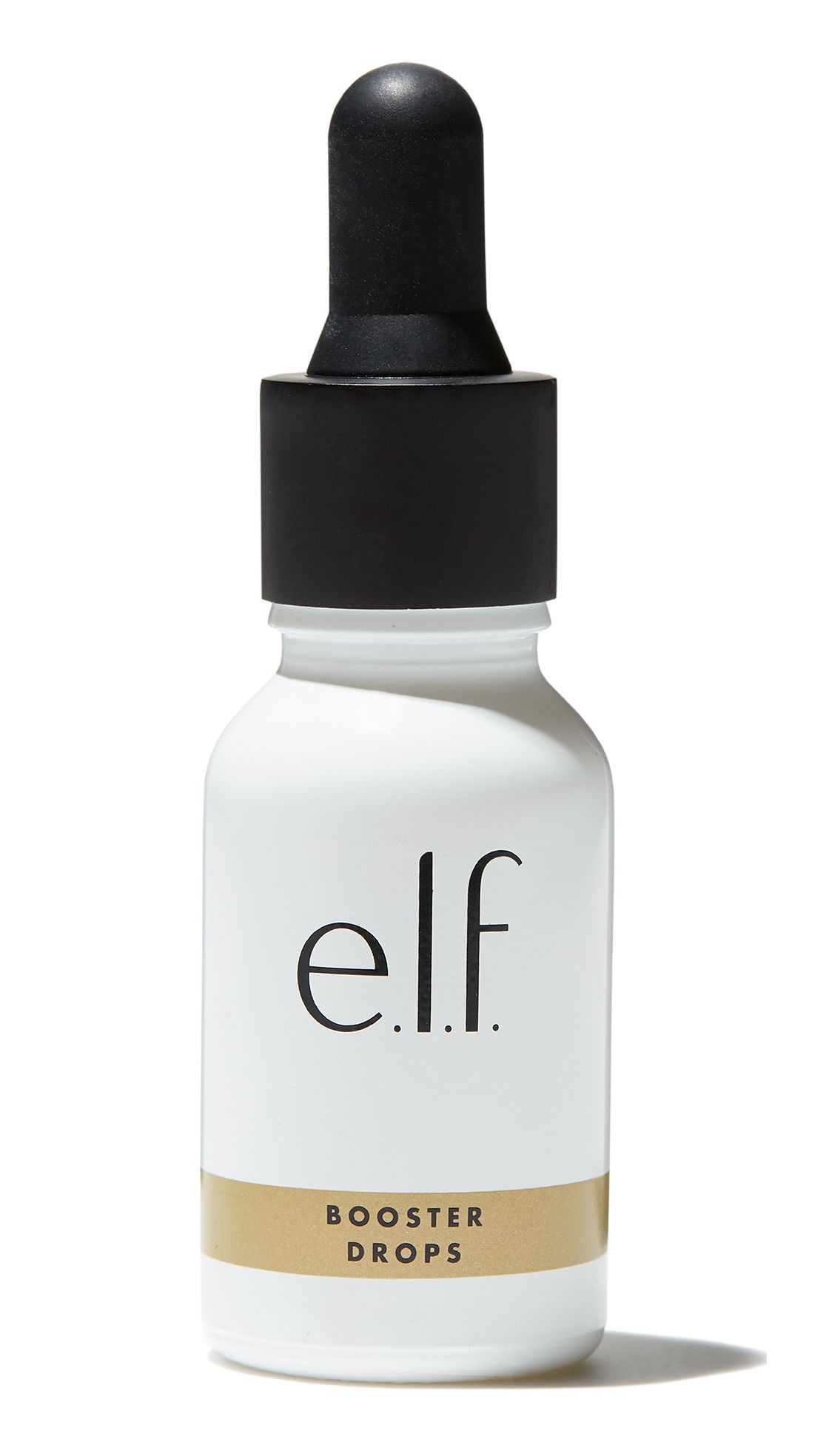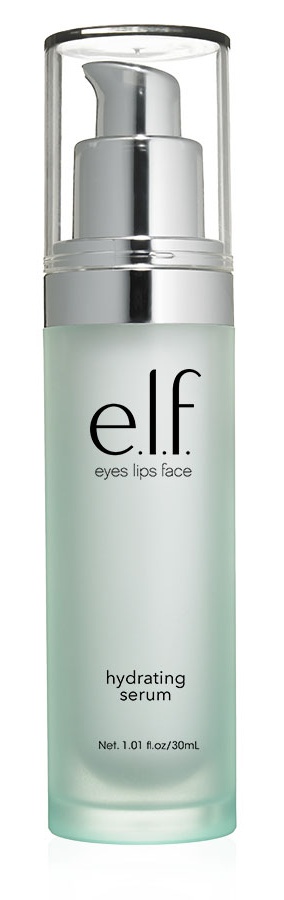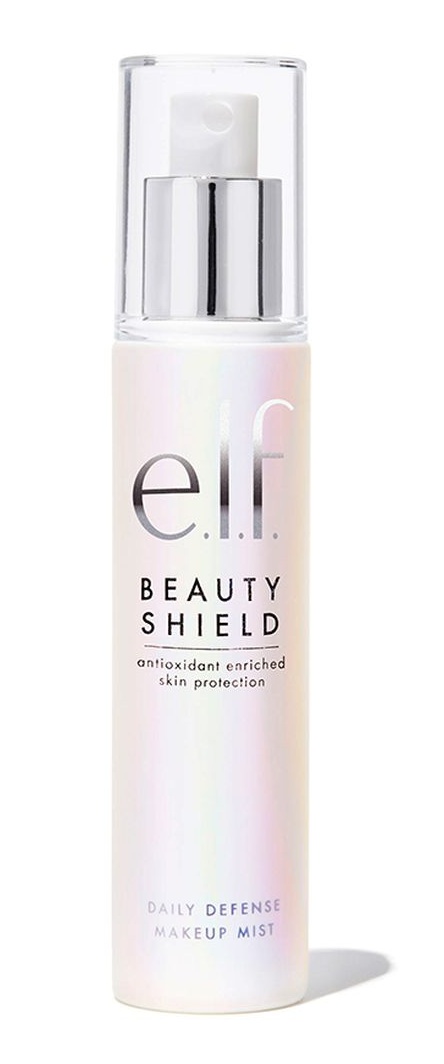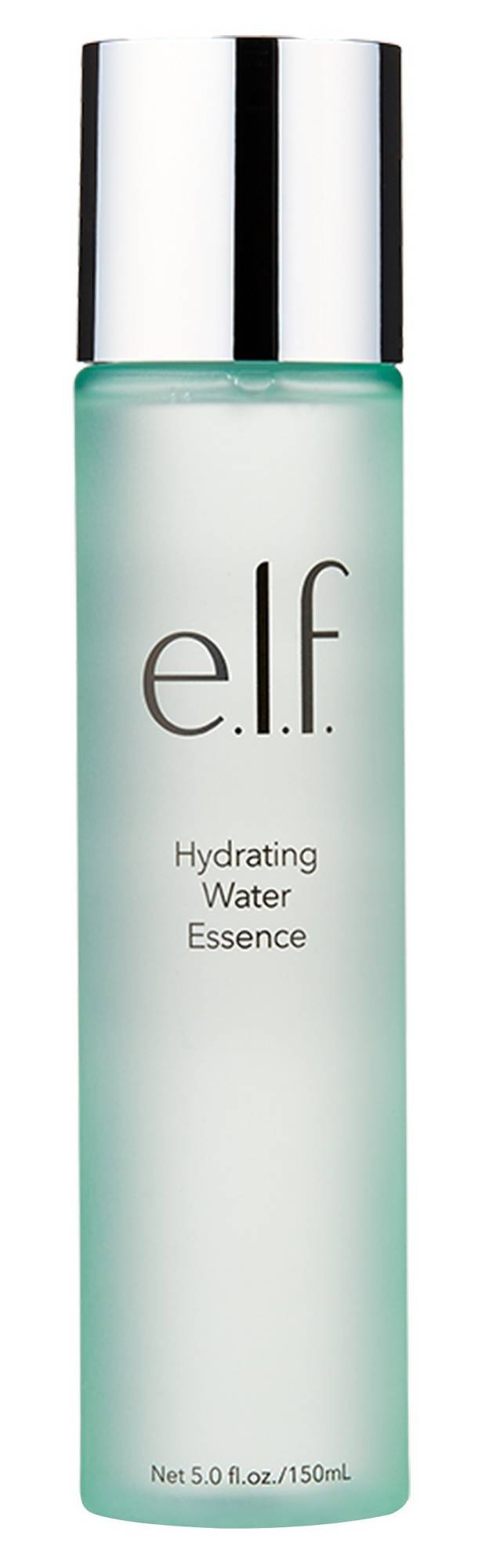
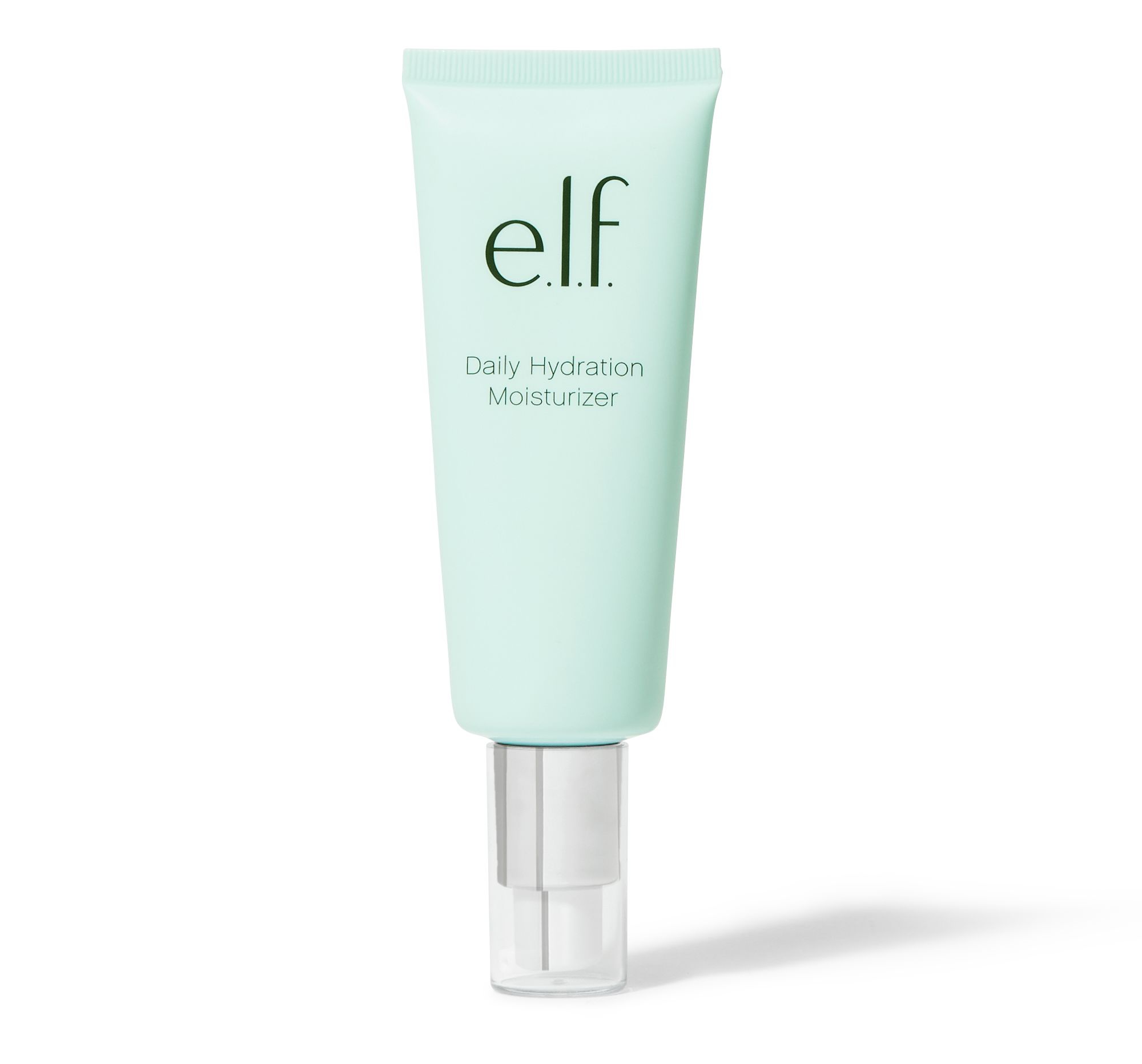
e.l.f. Daily Hydration Moisturizer
The e.l.f. Daily Hydration Moisturizer is a budget-friendly skincare staple designed to provide essential moisture without a heavy, greasy residue. Formulated as a lightweight cream, this moisturizer relies on a base of Water, Butylene Glycol, and Glycerin to draw moisture into the skin, while Dimethicone provides a silky-smooth finish that helps lock in hydration. This combination makes it an excellent choice for those who want their skin to feel soft and supple throughout the day. It absorbs quickly, making it a great base for makeup or as a simple finishing step in a nighttime routine. While it contains skin-softening emollients like Hydrogenated Polyisobutene, the overall feel remains breathable and comfortable. For users looking for an affordable daily moisturizer that provides consistent hydration, this e.l.f. favorite offers a balanced approach to skincare. It effectively avoids many heavy waxes and oils, making it feel more like a refreshing boost for the face rather than a heavy, occlusive balm that sits on top of the skin.
Our Analysis
Our analysis of the e.l.f. Daily Hydration Moisturizer reveals a Low Comedogenic Risk Level, making it a relatively safe choice for most users. We flagged two ingredients: Stearic Acid and Cetearyl Alcohol, both of which have a low-to-moderate comedogenic rating of 2/5. While these are common thickening agents and emollients, they can occasionally cause issues for those with highly reactive pores. Notably, Cetearyl Alcohol is generally safe, but we recommend monitoring usage if your skin is particularly sensitive to fatty alcohols. Overall, the formula is well-balanced and lacks high-risk pore-cloggers.
Skin Type Recommendations
This moisturizer is best suited for normal, combination, and dry skin types due to its humectant-rich formula. While rated low risk, individuals with very oily or extremely acne-prone skin should monitor their reaction to the fatty acids. It is a gentle, effective option for sensitive skin needing basic hydration.
Flagged Ingredients
Found in many butters; thickening agent with low-moderate risk.
Fatty alcohol emollient with low-moderate comedogenicity on its own. However, when combined with Ceteareth-20, the synergistic effect can significantly increase pore-clogging potential (combined rating of 4).
Want Deeper Analysis?
Run our MACR (Multi-Axis Comedogenic Risk) analysis to get a comprehensive 5-axis risk assessment. This AI-powered analysis evaluates ingredients for Plugging Risk, Barrier Damage, Fungal Acne Risk, Oxidation Risk, and real-world User Reports — giving you personalized scores for your skin type.