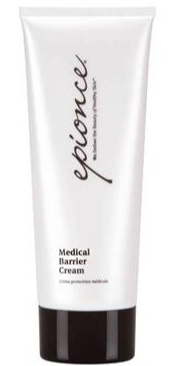
Epionce Medical Barrier Cream
Epionce Medical Barrier Cream is a specialized moisturizer designed to strengthen and repair the skin’s natural protective barrier, making it a popular choice for those with severely dry, sensitive, or compromised skin. Its formula is anchored by hydrating staples like Glycerin and Petrolatum, which provide an occlusive seal to prevent transepidermal water loss. The addition of Carthamus Tinctorius (Safflower) Seed Oil offers a source of essential fatty acids to soothe irritation. The texture is notably rich and emollient, providing immediate relief for parched skin and post-procedure recovery. While the brand is highly regarded in clinical settings for its barrier-repairing capabilities, the ingredient profile includes several heavy lipids and synthetic esters. This medical-grade cream aims to restore health to the skin's surface, but its dense formulation requires careful consideration for users who are also managing active breakouts or chronic congestion.
Our Analysis
Our analysis flags Epionce Medical Barrier Cream with a HIGH comedogenic risk level. The most significant concern for acne-prone users is ppg-2 myristyl ether propionate, a synthetic emollient known to have moderate pore-clogging potential. The formula also contains beeswax, which creates a protective seal that can inadvertently trap other comedogenic substances or sebum against the skin. Furthermore, the inclusion of olive oil and avocado oil—while nourishing for dry types—can be too heavy for oily skin and may exacerbate fungal acne. This combination of occlusives and oils makes it a risky choice for clear skin maintenance.
Skin Type Recommendations
This product is ideal for very dry, mature, or post-procedure skin requiring intense barrier support. However, it is poorly suited for oily or acne-prone skin types due to the high comedogenic risk. Those with combination skin should use it only on localized dry patches, avoiding the T-zone.
Flagged Ingredients
Synthetic emollient with moderate clogging risk.
A fatty alcohol (emollient) that is generally safe, but can be problematic for very sensitive individuals.
Forms a breathable barrier; rarely clogs pores directly but can trap other comedogenic ingredients underneath it.
High Oleic Acid content (similar to sebum); generally safe but can exacerbate fungal acne (Malassezia).
Rich and heavy oil; excellent for dry skin but can be too heavy for very oily skin types.
Want Deeper Analysis?
Run our MACR (Multi-Axis Comedogenic Risk) analysis to get a comprehensive 5-axis risk assessment. This AI-powered analysis evaluates ingredients for Plugging Risk, Barrier Damage, Fungal Acne Risk, Oxidation Risk, and real-world User Reports — giving you personalized scores for your skin type.