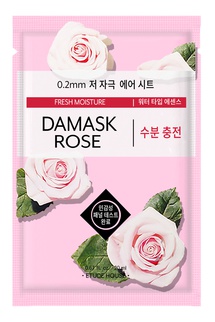
Etude House 0.2 Therapy Air Mask - Damask Rose
The Etude House 0.2 Therapy Air Mask - Damask Rose is a cult-favorite K-beauty sheet mask designed to provide intense hydration and a natural glow. Named for its incredibly thin 0.2mm air-light sheet, this mask adheres seamlessly to the skin, ensuring maximum absorption of its brightening essence. The formula is enriched with Niacinamide, a powerhouse ingredient known for evening out skin tone and strengthening the skin's moisture barrier. Alongside Damask Rose extract, which helps to revitalize dull complexions, the mask utilizes humectants like Glycereth-26 and Propanediol to lock in moisture. The texture of the essence is lightweight and refreshing, leaving the skin feeling supple without a heavy or sticky residue. It is an excellent choice for those looking to boost radiance and combat dehydration in a single step, though users with specific pore-clogging concerns should review the ingredient profile closely.
Our Analysis
Our analysis of the Etude House 0.2 Therapy Air Mask - Damask Rose indicates a MODERATE comedogenic risk. The formula contains Myristic acid, which carries a comedogenic rating of 3/5. This saturated fatty acid can be problematic for those with oily skin as it may contribute to pore congestion. Furthermore, the inclusion of Capric/caprylic triglyceride (rated 2/5) adds a slight risk for highly sensitive, acne-prone individuals. While these ingredients provide texture and emolliency, they may not be suitable for users who are strictly avoiding potential triggers for inflammatory acne or blackheads.
Skin Type Recommendations
This mask is best suited for dry, normal, and dull skin types seeking a moisture surge and brightening effect. However, it is not recommended for oily or severely acne-prone skin due to the presence of Myristic acid. Sensitive skin types should patch-test first to ensure no reaction to the rose extract.
Flagged Ingredients
Saturated fatty acid that can be problematic for oily skin.
Fractionated coconut oil; removed most clogging long-chain acids but can still affect some.
Want Deeper Analysis?
Run our MACR (Multi-Axis Comedogenic Risk) analysis to get a comprehensive 5-axis risk assessment. This AI-powered analysis evaluates ingredients for Plugging Risk, Barrier Damage, Fungal Acne Risk, Oxidation Risk, and real-world User Reports — giving you personalized scores for your skin type.