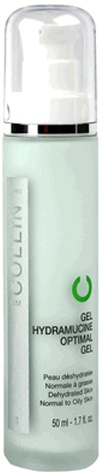
G.M. Collin Hydramucine Optimal Gel
The G.M. Collin Hydramucine Optimal Gel is marketed as a lightweight, ultra-hydrating solution designed to restore the skin's moisture barrier and provide long-lasting comfort. As part of G.M. Collin’s professional-grade skincare line, this gel formula aims to combat dehydration using a blend of glucose and cyclomethicone, which provides a smooth, silky application and a refreshed feel. The texture is designed to absorb quickly, offering an immediate sense of hydration without the heavy weight of a traditional cream. While it excels at providing surface-level moisture and a botanical boost, the ingredient list reveals a complex profile that goes beyond simple hydration. It utilizes specific film-forming agents and botanical oils to lock in moisture, which contributes to its unique gel-cream consistency. However, for those with specific skin sensitivities or concerns regarding pore congestion, the inclusion of certain thickening agents and plant-derived oils warrants a closer look before incorporating it into a daily regimen. It is an intensive hydrating treatment, but its richness may be surprising given the 'gel' designation.
Our Analysis
Our analysis of G.M. Collin Hydramucine Optimal Gel reveals a High Comedogenic Risk, making it a concerning choice for those with clear-skin goals. The formula contains two ingredients with the highest possible comedogenic rating: carrageenan and wheat germ oil, both rated 5/5. Carrageenan acts as a thickener that creates a physical film, potentially trapping bacteria against the skin, while wheat germ oil is a notorious pore-clogger. The presence of soybean oil (3/5) and olive oil (2/5) further increases the likelihood of congestion and may exacerbate conditions like fungal acne due to their fatty acid profiles.
Skin Type Recommendations
This product is best suited for very dry, non-acne-prone skin types that require intensive moisture. However, we strongly advise against using this gel if you have oily, combination, or acne-prone skin. The high concentration of potent comedogenic ingredients makes it highly likely to trigger breakouts and blackheads in sensitive or congestion-prone individuals.
Flagged Ingredients
Highly comedogenic thickener; creates a physical film that traps bacteria and debris.
Extremely high comedogenicity in rabbit ear assays; historically consistent pore-clogger.
Moderate comedogenicity; depends on the refinement level of the oil.
High Oleic Acid content (similar to sebum); generally safe but can exacerbate fungal acne (Malassezia).
Want Deeper Analysis?
Run our MACR (Multi-Axis Comedogenic Risk) analysis to get a comprehensive 5-axis risk assessment. This AI-powered analysis evaluates ingredients for Plugging Risk, Barrier Damage, Fungal Acne Risk, Oxidation Risk, and real-world User Reports — giving you personalized scores for your skin type.