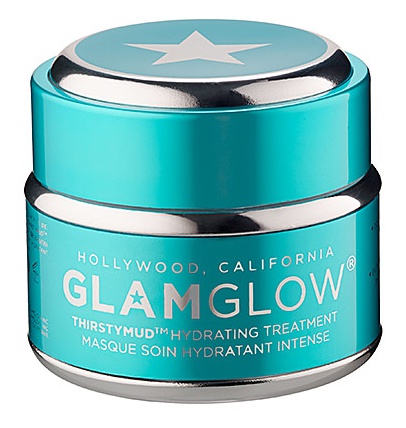
GLAMGLOW Thirstymud™ Hydrating Treatment (Discontinued)
The GLAMGLOW Thirstymud™ Hydrating Treatment was designed as a high-performance mask to provide immediate and long-term moisture for parched skin. This creamy, indulgent treatment utilizes a blend of humectants and emollients to lock in hydration and create a dewy, glowing complexion. Key beneficial ingredients like Glycerin and Butylene Glycol work effectively to draw moisture into the skin, while Cyclopentasiloxane gives the product a silky, smooth texture that glides on effortlessly. Often used as a leave-on treatment during flights or as an overnight mask, it earned a reputation for its intense moisturizing capabilities. However, beneath its hydrating surface, the formula contains heavy botanical oils and fatty alcohols that require a closer look for those with reactive skin. While this specific iteration of Thirstymud™ has been discontinued, it remains a frequently searched product for those trying to understand its impact on their skin barrier and pore health. Its rich, 'mud-to-oil' feel was a hallmark of the GLAMGLOW brand's luxury masking experience.
Our Analysis
Our analysis classifies GLAMGLOW Thirstymud™ as having a HIGH comedogenic risk level. The most significant concern is the inclusion of Coconut Oil, which carries a 4/5 rating due to its high Lauric Acid content that can easily solidify inside the pore. Furthermore, the presence of fatty alcohols like Cetearyl Alcohol and Cetyl Alcohol, while generally emollient, can trigger breakouts in sensitive or acne-prone individuals. We also flagged Caprylic/Capric Triglyceride; though it is a refined version of coconut oil, it can still contribute to congestion for those with highly reactive skin types. These ingredients together make the formula quite occlusive.
Skin Type Recommendations
This product is best for individuals with extremely dry, non-acne-prone skin who need intense moisture. It is strongly discouraged for oily, combination, or acne-prone skin types due to the high concentration of pore-clogging coconut oil. Sensitive skin types should perform a patch test due to the potential irritation from fatty alcohols.
Flagged Ingredients
High Lauric Acid content solidifies inside the pore.
Fractionated coconut oil; removed most clogging long-chain acids but can still affect some.
Fatty alcohol emollient with low-moderate comedogenicity on its own. However, when combined with Ceteareth-20, the synergistic effect can significantly increase pore-clogging potential (combined rating of 4).
A fatty alcohol (emollient) that is generally safe, but can be problematic for very sensitive individuals.
Want Deeper Analysis?
Run our MACR (Multi-Axis Comedogenic Risk) analysis to get a comprehensive 5-axis risk assessment. This AI-powered analysis evaluates ingredients for Plugging Risk, Barrier Damage, Fungal Acne Risk, Oxidation Risk, and real-world User Reports — giving you personalized scores for your skin type.