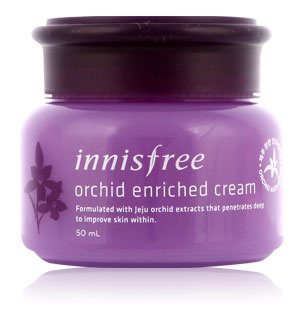
innisfree Orchid Enriched Cream
Our Analysis
innisfree Orchid Enriched Cream appears to be safe for acne-prone skin. No high-risk comedogenic ingredients were detected.
Flagged Ingredients
This product does not contain known high-risk comedogenic ingredients.
MACR Analysis
5-Axis AI-Powered Risk Assessment
Recommendations
This serum is best suited for normal to dry skin types seeking a smoothing and hydrating effect, with caution advised for those highly prone to pore clogging.
Normal skin, Dry skin, Sensitive skin, Fungal acne-prone skin
Oily skin, Acne-prone skin (especially those who are sensitive to silicones or experience occlusive breakouts)
Individuals with a known sensitivity to silicone-based products
- •Patch test before full application, especially if you have sensitive or acne-prone skin.
- •Apply a thin layer to avoid excessive occlusion.
- •Cleanse thoroughly at the end of the day to remove any residual product.
Overall Risk Score
Lower is better
Score by Skin Type
Lower is better
Same product, different risks based on your skin type
This leave-on serum presents a low overall risk, primarily driven by a moderate concern for pore plugging (PR) due to its extensive use of silicones. Barrier disruption (BR) and fungal acne (FR) risks are minimal. User-reported concerns (UR) are also low. The formulation's extensive silicone base warrants caution for highly acne-prone individuals.
Risk Breakdown
Why This Score?
The overall risk score is calculated by weighting each axis score by its importance (PR x 7, BR x 5, FR x 3, OR x 2, UR x 3). The extensive use of various silicones (Cyclopentasiloxane, Dimethicone, Phenyl Trimethicone, PEG-10 Dimethicone, silicone crosspolymers, Polysilicone-11) contributes significantly to the Plugging Risk (PR). Propanediol adds a minor Barrier Risk (BR). Other ingredients like Squalane, Glycerin, and botanical extracts are generally well-tolerated. The high concentration of silicones in the top half of the INCI list contributes positively to the risk.
Main factors:
- •Extensive use of silicones (moderate PR due to occlusion potential)
- •Propanediol as a penetration enhancer (low BR)
Reducing factors:
- •Absence of known high FR, OR, or UR ingredients.
- •Glycerin, Squalane, and botanical extracts are generally safe.
- •Low concentration of many potentially problematic ingredients due to their position later in the INCI list (-1 modifier).
Skin Type Considerations
This analysis uses the Multi-Axis Comedogenic Risk (MACR) system. Results are AI-estimated and cannot account for actual ingredient concentrations. Individual reactions may vary. Consult a dermatologist for personalized advice.