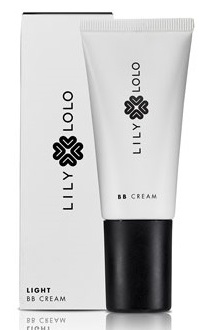
Lily Lolo BB Cream
Lily Lolo BB Cream is a popular silicone-free mineral beauty product designed to provide a light, natural-looking coverage while hydrating the skin. As a hybrid between skincare and makeup, it features beneficial ingredients like Glycerin and Caprylic/Capric Triglyceride to maintain moisture levels and ensure a smooth, blendable application. The texture is creamy and dewy, offering a radiant finish that appeals to those looking for a 'your skin but better' glow. While Lily Lolo is celebrated for its clean beauty approach, this BB cream is packed with botanical oils such as Sweet Almond Oil and Wheat Germ Oil. These ingredients are rich in antioxidants and fatty acids, which help nourish the skin barrier and prevent trans-epidermal water loss. However, because it leans heavily on these rich emollients, the feel is quite moisturizing and may be too heavy for those with naturally oily complexions. It is an excellent choice for users seeking mineral-based alternatives to traditional foundations, provided their skin can tolerate a high-lipid formula.
Our Analysis
Our analysis classifies Lily Lolo BB Cream as having a HIGH comedogenic risk level. The most concerning finding is Wheat Germ Oil, which has a rating of 5/5—the highest possible score for pore-clogging potential. Wheat germ oil is historically known to be highly problematic for acne-prone skin. The formula also contains Sweet Almond Oil, Stearic Acid, Cetyl Alcohol, and Tocopherol, all of which carry a 2/5 rating. While these ingredients are individually manageable for many, their combination in a single formula significantly increases the likelihood of congestion and breakouts for sensitive or acne-prone users.
Skin Type Recommendations
This BB cream is best for dry to very dry skin types that require intense nourishment. It is not recommended for oily, combination, or acne-prone skin due to the high concentration of comedogenic oils. Those with sensitive skin should patch test first to ensure the botanical oils do not cause irritation.
Flagged Ingredients
Extremely high comedogenicity in rabbit ear assays; historically consistent pore-clogger.
Fractionated coconut oil; removed most clogging long-chain acids but can still affect some.
Rich in Oleic acid; nourishing for dry skin but potentially occlusive for oily skin.
Found in many butters; thickening agent with low-moderate risk.
A fatty alcohol (emollient) that is generally safe, but can be problematic for very sensitive individuals.
Pure Vitamin E is thick and sticky; safe in small amounts as an antioxidant, but potentially clogging in pure oil form.
Want Deeper Analysis?
Run our MACR (Multi-Axis Comedogenic Risk) analysis to get a comprehensive 5-axis risk assessment. This AI-powered analysis evaluates ingredients for Plugging Risk, Barrier Damage, Fungal Acne Risk, Oxidation Risk, and real-world User Reports — giving you personalized scores for your skin type.