Natio Flawless Foundation
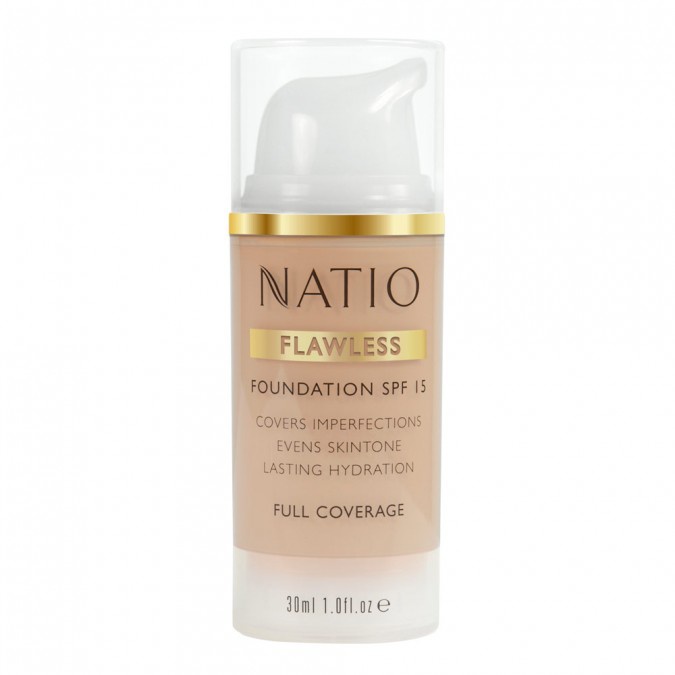
Natio Flawless Foundation is designed to provide a smooth, even complexion with a weightless feel. This foundation blends the aesthetic benefits of makeup with functional skincare ingredients to enhance your natural glow. Formulated with a base of water and Propylene Glycol, it offers a hydrating touch that keeps the skin feeling fresh and supple throughout the day. The inclusion of Ethylhexyl Methoxycinnamate provides a layer of sun protection, making it a practical choice for daily wear. Its texture is creamy yet breathable, thanks to the use of Glyceryl Stearate and Caprylic/Capric Triglyceride. These emollients help the product glide onto the skin effortlessly, filling in fine lines and imperfections without feeling heavy or greasy. While it provides reliable coverage, it aims for a 'flawless' natural finish rather than a cakey appearance. For those looking for an everyday foundation that respects the skin's moisture barrier, Natio's formula offers a balanced approach, ensuring your skin looks polished and stays comfortable for extended wear.
Our Analysis
Our analysis of Natio Flawless Foundation reveals a Low comedogenic risk level, making it a relatively safe choice for most users. However, it does contain two ingredients that warrant a closer look for those with highly reactive or acne-prone skin. Caprylic/Capric Triglyceride, a derivative of coconut oil, is included as an emollient; while most pore-clogging long-chain acids are removed during processing, it still carries a low-moderate risk (2/5). Similarly, Stearic Acid is a thickening agent with a 2/5 rating. While these are not major red flags, individuals prone to congestion should monitor their skin's response.
Skin Type Recommendations
This foundation is best suited for dry, combination, and normal skin types due to its emollient-rich formula. While the comedogenic risk is low, those with extremely oily or severely acne-prone skin should use it with caution, as Stearic Acid can occasionally exacerbate congestion in high-sebum environments. It is generally safe for sensitive skin.
Flagged Ingredients
Fractionated coconut oil; removed most clogging long-chain acids but can still affect some.
Found in many butters; thickening agent with low-moderate risk.
Want Deeper Analysis?
Run our MACR (Multi-Axis Comedogenic Risk) analysis to get a comprehensive 5-axis risk assessment. This AI-powered analysis evaluates ingredients for Plugging Risk, Barrier Damage, Fungal Acne Risk, Oxidation Risk, and real-world User Reports — giving you personalized scores for your skin type.