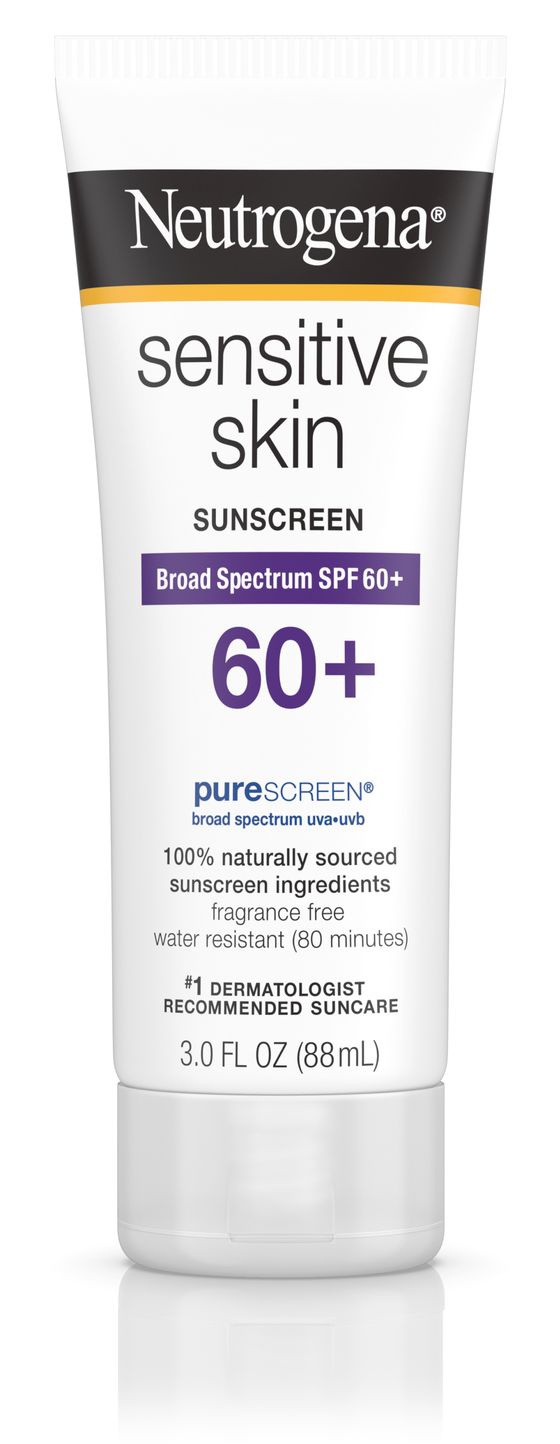
Neutrogena Sensitive Skin Sunscreen Lotion Broad Spectrum Spf 60+
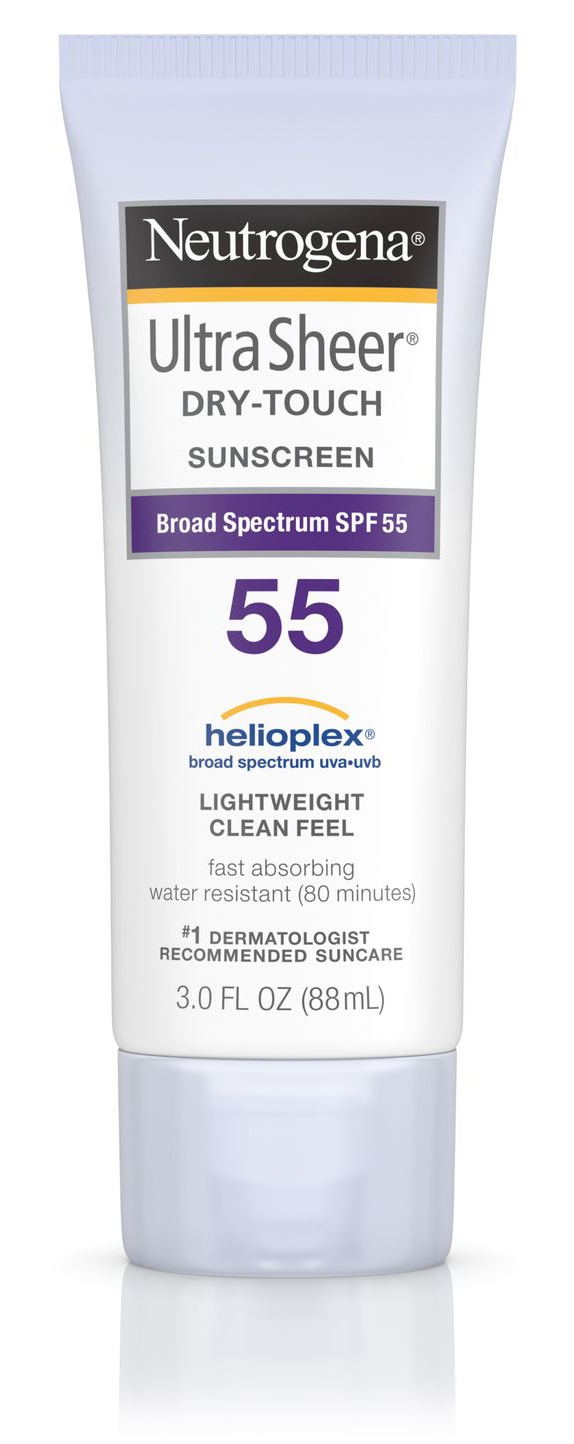
Neutrogena Sensitive Skin Sunscreen Lotion Broad Spectrum SPF 60+ is a physical, mineral-based sun protection solution specifically formulated for those with reactive complexions. Utilizing physical UV filters—Titanium Dioxide and Zinc Oxide—this sunscreen provides high-level defense against UVA and UVB rays without the use of chemical filters that can often irritate sensitive skin. The inclusion of Beeswax and Stearic Acid provides a moisturizing, protective barrier on the skin’s surface, helping to lock in hydration during sun exposure. While the texture is rich and provides a slight protective film, it remains lightweight enough for daily wear. This formula is fragrance-free and oil-free, making it a reliable staple for anyone looking for a physical sunscreen that respects the skin barrier. Its mineral composition makes it an excellent choice for those who experience stinging or redness from traditional chemical sunscreens, providing a soothing yet effective shield against environmental damage.
Our Analysis
Our analysis of the Neutrogena Sensitive Skin Sunscreen SPF 60+ reveals a Low Comedogenic Risk level overall. While generally safe for most users, it contains two ingredients that merit attention for those with highly congestion-prone skin: Beeswax and Stearic Acid. Both carry a 2/5 comedogenic rating. Beeswax acts as a breathable barrier but can occasionally trap other materials or oils against the skin, while Stearic Acid is a common thickening agent with a low-to-moderate risk of clogging pores. For most, these ingredients are non-problematic, but they are worth monitoring if you are extremely acne-prone.
Skin Type Recommendations
This sunscreen is ideal for sensitive, dry, and combination skin types due to its gentle mineral filters and barrier-forming ingredients. While marketed as oil-free, the presence of Beeswax and Stearic Acid means those with very oily or active acne-prone skin should patch test to ensure it doesn't cause congestion.
Flagged Ingredients
Forms a breathable barrier; rarely clogs pores directly but can trap other comedogenic ingredients underneath it.
Found in many butters; thickening agent with low-moderate risk.
Want Deeper Analysis?
Run our MACR (Multi-Axis Comedogenic Risk) analysis to get a comprehensive 5-axis risk assessment. This AI-powered analysis evaluates ingredients for Plugging Risk, Barrier Damage, Fungal Acne Risk, Oxidation Risk, and real-world User Reports — giving you personalized scores for your skin type.