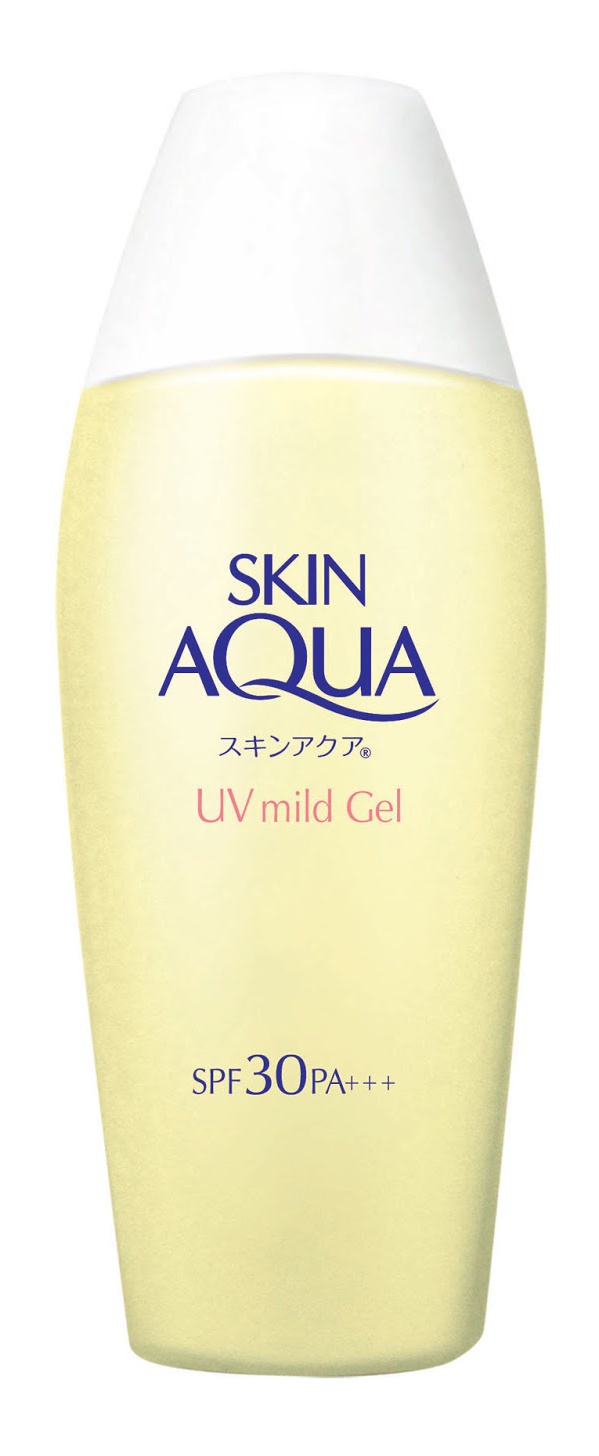
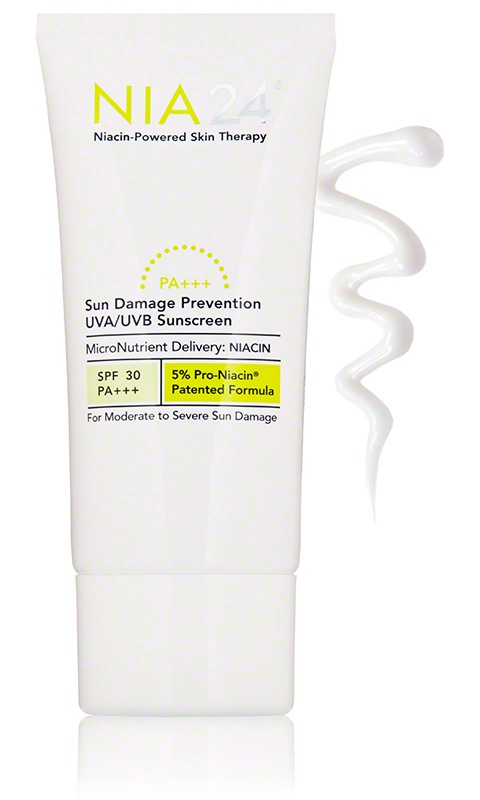
Nia 24 Sun Damage Prevention Uva/Uvb Sunscreen Spf 30 Pa+++
Nia 24 Sun Damage Prevention Uva/Uvb Sunscreen Spf 30 Pa+++ is a high-performance daily sunscreen designed to defend the skin against harmful radiation while actively addressing the visible signs of photoaging. Formulated by Nia 24, this sunscreen utilizes a blend of chemical filters including Homosalate, Octisalate, Avobenzone, and Octocrylene to provide reliable broad-spectrum protection. A standout feature of this brand is the inclusion of Pro-Niacin, a patented ingredient that helps strengthen the skin barrier and improve the appearance of sun-damaged skin. The texture is designed to be lightweight and easily absorbed, thanks to its water-based formulation, making it suitable for layering under makeup or over other skincare products. It offers a smooth, emollient feel that hydrates without the typical heaviness associated with traditional SPF products. For those looking to combine anti-aging benefits with sun protection, this product serves as a multi-functional tool in a daily regimen, helping to prevent future damage while supporting the skin's natural repair processes.
Our Analysis
Our analysis of the Nia 24 Sun Damage Prevention Sunscreen reveals a low comedogenic risk level, making it a relatively safe choice for most users. The only flagged ingredient is cetyl alcohol, which carries a rating of 2 out of 5. Cetyl alcohol is a fatty alcohol used as an emollient and thickener; while it is generally non-irritating and beneficial for the skin barrier, it can occasionally trigger breakouts in individuals with highly specific sensitivities. Aside from this, the formula lacks high-risk pore-cloggers, providing a clean profile for those concerned with maintaining clear skin while staying protected.
Skin Type Recommendations
This sunscreen is best for dry, combination, and mature skin types that benefit from its hydrating properties. While the comedogenic risk is low, those with extremely oily or very acne-prone skin should monitor their reaction to the cetyl alcohol. It is overall a solid choice for sensitive skin seeking broad-spectrum defense.
Flagged Ingredients
A fatty alcohol (emollient) that is generally safe, but can be problematic for very sensitive individuals.
Want Deeper Analysis?
Run our MACR (Multi-Axis Comedogenic Risk) analysis to get a comprehensive 5-axis risk assessment. This AI-powered analysis evaluates ingredients for Plugging Risk, Barrier Damage, Fungal Acne Risk, Oxidation Risk, and real-world User Reports — giving you personalized scores for your skin type.