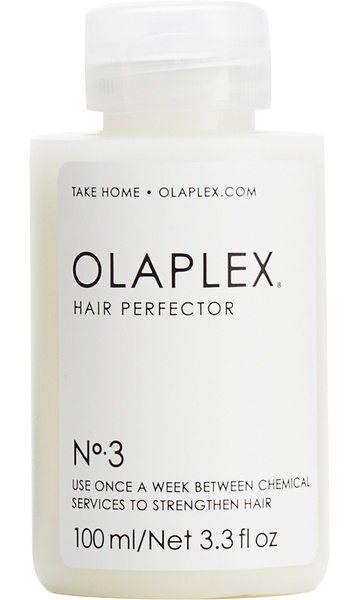
Olaplex Hair Perfector No.3 Home Treatment
Olaplex Hair Perfector No.3 Home Treatment is a world-renowned pre-shampoo treatment designed to repair and strengthen hair by rebuilding broken disulfide bonds. While primarily a hair care hero, its formula frequently comes into contact with the skin during application and rinsing, making its ingredient profile a point of interest for those with sensitive or acne-prone skin. The formula features the brand's patented Bis-Aminopropyl Diglycol Dimaleate for structural repair, alongside conditioning agents like Propylene Glycol and Behentrimonium Methosulfate. Its texture is a smooth, creamy lotion that provides excellent slip and hydration. In addition to bond-building technology, it contains emollient fatty alcohols and Sweet Almond Oil to improve manageability and shine. For users who experience breakouts along the hairline, forehead, or back, understanding how these nourishing ingredients interact with your skin is essential for maintaining a clear complexion while achieving salon-quality hair results at home.
Our Analysis
Our analysis of Olaplex No.3 indicates a MODERATE comedogenic risk level. The formula contains Cetearyl Alcohol and Cetyl Alcohol, both of which carry a 2/5 rating. While these fatty alcohols are excellent for smoothing hair, they can be problematic for highly reactive skin. Furthermore, the inclusion of Sweet Almond Oil—rich in Oleic acid—is great for hair moisture but can be occlusive for oily or acne-prone skin. It is particularly important to be mindful of the synergistic effects of fatty alcohols when they interact with other surfactants, as this can increase their pore-clogging potential during the rinsing process.
Skin Type Recommendations
This product is suitable for all hair types but requires caution for those with oily or acne-prone skin. If you frequently experience 'pomade acne' or clogged pores along the hairline and back, ensure you cleanse your skin thoroughly after rinsing this treatment to prevent any potential breakouts.
Flagged Ingredients
Fatty alcohol emollient with low-moderate comedogenicity on its own. However, when combined with Ceteareth-20, the synergistic effect can significantly increase pore-clogging potential (combined rating of 4).
A fatty alcohol (emollient) that is generally safe, but can be problematic for very sensitive individuals.
Rich in Oleic acid; nourishing for dry skin but potentially occlusive for oily skin.
Want Deeper Analysis?
Run our MACR (Multi-Axis Comedogenic Risk) analysis to get a comprehensive 5-axis risk assessment. This AI-powered analysis evaluates ingredients for Plugging Risk, Barrier Damage, Fungal Acne Risk, Oxidation Risk, and real-world User Reports — giving you personalized scores for your skin type.