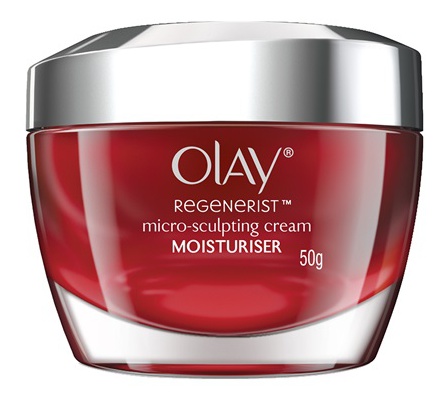
Olay Regenerist Micro-Sculpting Cream
Olay Regenerist Micro-Sculpting Cream is a staple in many anti-aging routines, formulated to provide intense hydration and visible skin-firming results. This rich, velvety cream features a high concentration of Niacinamide (Vitamin B3), which is celebrated for improving skin texture and strengthening the moisture barrier. Glycerin and Panthenol work as humectants to pull moisture into the skin, while Isohexadecane provides a smooth, non-greasy finish. However, its effectiveness as a heavy-duty moisturizer comes from a dense blend of emollients and esters. While it excels at plumping fine lines and delivering deep hydration, the inclusion of Isopropyl Isostearate—a highly comedogenic ingredient—early in the formula makes it a heavy hitter in more ways than one. For those looking to combat signs of aging without worrying about breakouts, it is essential to look closely at how these rich ingredients interact with your specific skin type, especially given the thick, occlusive nature of the cream. The product feels luxurious on the skin but contains several ingredients that require caution for certain users.
Our Analysis
Our analysis classifies Olay Regenerist Micro-Sculpting Cream as having a HIGH comedogenic risk. The primary concern is Isopropyl Isostearate, which ranks a 5/5 on the comedogenic scale and appears fifth on the ingredient list, indicating a high concentration. This specific ester is known for its ability to penetrate and solidify within follicles. Additionally, the formula contains multiple fatty alcohols (stearyl, cetyl, and cetearyl alcohol) and olive oil. While these provide excellent slip and moisture for dry skin, their cumulative effect, combined with thickening agents like Stearic Acid, creates a significant risk for pore blockages in acne-prone individuals.
Skin Type Recommendations
This cream is best suited for individuals with very dry or mature skin that is not prone to acne. It is not recommended for oily or acne-prone skin due to its high comedogenic profile. Sensitive skin types should also exercise caution as the heavy occlusives can potentially trap irritation.
Flagged Ingredients
Highly penetrating ester that solidifies within the follicle.
Pure Vitamin E is thick and sticky; safe in small amounts as an antioxidant, but potentially clogging in pure oil form.
Waxy fatty alcohol; low risk but can add heaviness.
A fatty alcohol (emollient) that is generally safe, but can be problematic for very sensitive individuals.
High Oleic Acid content (similar to sebum); generally safe but can exacerbate fungal acne (Malassezia).
Found in many butters; thickening agent with low-moderate risk.
Fatty alcohol emollient with low-moderate comedogenicity on its own. However, when combined with Ceteareth-20, the synergistic effect can significantly increase pore-clogging potential (combined rating of 4).
Fractionated coconut oil; removed most clogging long-chain acids but can still affect some.
Want Deeper Analysis?
Run our MACR (Multi-Axis Comedogenic Risk) analysis to get a comprehensive 5-axis risk assessment. This AI-powered analysis evaluates ingredients for Plugging Risk, Barrier Damage, Fungal Acne Risk, Oxidation Risk, and real-world User Reports — giving you personalized scores for your skin type.