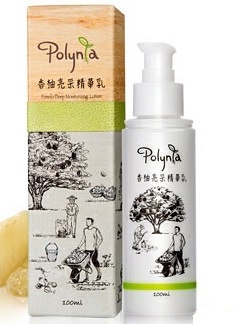
Polynia Pomelo Deep Moisturizing Lotion
Polynia Pomelo Deep Moisturizing Lotion is formulated as a rich, hydrating solution designed to replenish the skin's moisture barrier. Infused with the refreshing essence of pomelo, this lotion features a creamy texture primarily driven by Cetyl Alcohol and Caprylic/Capric Triglyceride, which act as emollients to soften the skin surface. Propylene Glycol serves as a humectant, drawing moisture into the deeper layers of the epidermis to prevent dehydration. While the product promises deep moisturizing benefits and a smooth application feel, a closer look at the botanical extracts and surfactants reveals a complex profile. It is intended to lock in hydration for long-lasting comfort; however, users with specific skin concerns should be aware of the heavy oils and extracts used to achieve its emollient properties. For those seeking a dense, moisture-sealing product, it provides significant slip and a protective feel, though its compatibility with clear skin is compromised by several high-risk ingredients.
Our Analysis
Our analysis of the Polynia Pomelo Deep Moisturizing Lotion identifies a HIGH comedogenic risk level, making it potentially problematic for many users. The formula contains Wheat Germ Oil, Algae Extract, and Laureth-4, all of which carry a maximum comedogenic rating of 5/5. Wheat germ oil is a notorious pore-clogger, while the iodides in algae extract can irritate the pore lining, triggering micro-comedones. Furthermore, Laureth-4 is an oxidative surfactant known for inducing inflammatory acne. While the inclusion of Caprylic/Capric Triglyceride and Cetyl Alcohol adds to the moisturizing feel, the presence of three high-impact triggers makes this product a significant risk for congestion.
Skin Type Recommendations
This product is best suited for individuals with extremely dry, non-acne-prone skin who need heavy occlusion. It is NOT recommended for oily, combination, or acne-prone skin types. The combination of wheat germ oil and algae extract is highly likely to cause breakouts, blackheads, and skin congestion in sensitive or blemish-prone individuals.
Flagged Ingredients
Extremely high comedogenicity in rabbit ear assays; historically consistent pore-clogger.
Rich in iodides which irritate the pore lining, triggering inflammation and micro-comedones.
Oxidative surfactant creating inflammatory comedones.
Fractionated coconut oil; removed most clogging long-chain acids but can still affect some.
A fatty alcohol (emollient) that is generally safe, but can be problematic for very sensitive individuals.
Want Deeper Analysis?
Run our MACR (Multi-Axis Comedogenic Risk) analysis to get a comprehensive 5-axis risk assessment. This AI-powered analysis evaluates ingredients for Plugging Risk, Barrier Damage, Fungal Acne Risk, Oxidation Risk, and real-world User Reports — giving you personalized scores for your skin type.