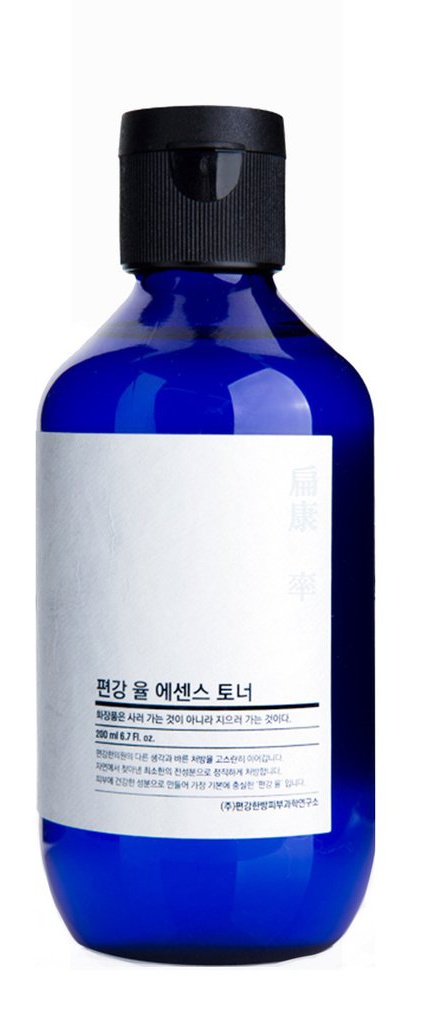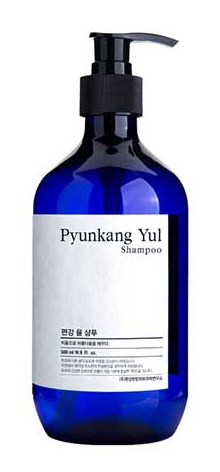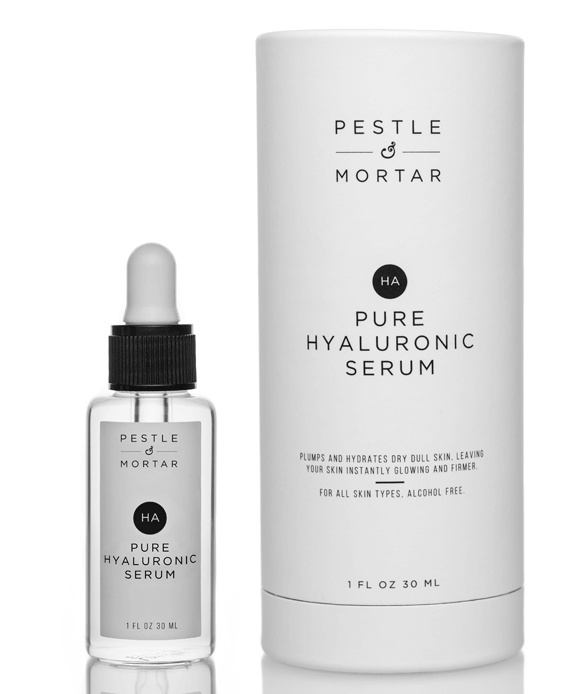
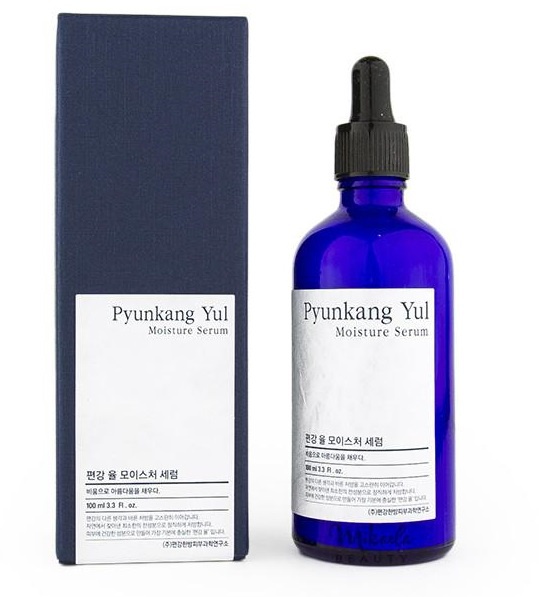
Pyunkang Yul Moisture Serum
Pyunkang Yul Moisture Serum is a standout product from the minimalist Korean skincare brand known for its medicinal-herbal approach. Unlike traditional water-based serums, this formula features Coptis Japonica Root Extract as its primary ingredient, providing powerful anti-inflammatory and cooling benefits to irritated skin. Designed to balance the skin's moisture-to-oil ratio, it has a unique milky texture that glides on smoothly, leaving a supple finish without a heavy residue. The inclusion of Olea Europaea (Olive) Fruit Oil offers deep nourishment, while Butylene Glycol acts as a humectant to draw moisture into the skin. While it is marketed as a hydrating solution for sensitive skin, those with reactive or congestion-prone complexions should note its blend of emollients. It’s an excellent choice for those looking to soothe redness and restore a healthy glow, provided their pores can handle the specific lipid profile of the formula. This serum bridges the gap between a lightweight lotion and a concentrated treatment.
Our Analysis
Our analysis of Pyunkang Yul Moisture Serum reveals a moderate comedogenic risk level. While the base is soothing, it contains several ingredients that may trigger breakouts in acne-prone individuals. Specifically, we flagged capric/caprylic triglyceride and stearic acid, both rated 2/5 for their potential to clog pores. Additionally, cetearyl alcohol is present; while it is a low-risk fatty alcohol on its own, it is important to monitor for the presence of surfactants like Ceteareth-20 in your routine, as the synergistic effect can increase pore-clogging potential. If you are prone to closed comedones, proceed with caution.
Skin Type Recommendations
This serum is ideal for dry, dehydrated, or sensitive skin types that need a boost of soothing moisture and barrier support. However, it is not recommended for oily or highly acne-prone skin due to the moderate comedogenic risk of its fatty acids and oils, which may lead to congestion.
Flagged Ingredients
Fractionated coconut oil; removed most clogging long-chain acids but can still affect some.
Found in many butters; thickening agent with low-moderate risk.
Fatty alcohol emollient with low-moderate comedogenicity on its own. However, when combined with Ceteareth-20, the synergistic effect can significantly increase pore-clogging potential (combined rating of 4).
Want Deeper Analysis?
Run our MACR (Multi-Axis Comedogenic Risk) analysis to get a comprehensive 5-axis risk assessment. This AI-powered analysis evaluates ingredients for Plugging Risk, Barrier Damage, Fungal Acne Risk, Oxidation Risk, and real-world User Reports — giving you personalized scores for your skin type.