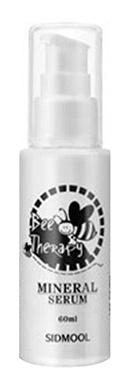
Sidmool Bee Therapy Mineral Serum
The Sidmool Bee Therapy Mineral Serum is a highly concentrated hydrating treatment designed to soothe and brighten the complexion. Formulated with a base of 38% Mineral Water and distilled Water, this serum prioritizes deep cellular hydration over heavy emollients. Key active ingredients include Arbutin, a powerful brightening agent known for evening out skin tone and fading hyperpigmentation, and Polyglutamic Acid, which holds significantly more moisture than hyaluronic acid. The texture is exceptionally lightweight and watery, absorbing quickly into the skin without leaving a sticky or greasy residue. While the 'Bee Therapy' line often focuses on propolis or honey-derived benefits, this specific mineral-rich formula emphasizes skin barrier support and radiance. It is an excellent choice for those looking to boost their skin's moisture levels while targeting dullness. The inclusion of Butylene Glycol ensures a smooth application, making it a versatile addition to any multi-step skincare routine, whether used as a primary serum or a hydrating layer under thicker creams.
Our Analysis
Our analysis of the Sidmool Bee Therapy Mineral Serum reveals a relatively clean profile with a low overall comedogenic risk, though one specific ingredient warrants caution. The serum contains Algin, a polysaccharide derived from brown algae used as a thickener. Algin carries a comedogenic rating of 4/5 because it can create a film on the skin that potentially traps sebum and debris in the pores. However, since Algin is not within the first five ingredients, its concentration is likely lower. Most users will find this formula safe, but those with highly reactive or cystic acne should monitor for new breakouts.
Skin Type Recommendations
This serum is best for dry, dehydrated, or dull skin types that need intense hydration and brightening without heavy oils. It is generally suitable for sensitive skin due to its mineral base. However, oily and acne-prone individuals should patch test first because the Algin may contribute to congestion in pore-clogging prone skin.
Flagged Ingredients
Polysaccharide thickener derived from brown algae; creates clogging films.
Want Deeper Analysis?
Run our MACR (Multi-Axis Comedogenic Risk) analysis to get a comprehensive 5-axis risk assessment. This AI-powered analysis evaluates ingredients for Plugging Risk, Barrier Damage, Fungal Acne Risk, Oxidation Risk, and real-world User Reports — giving you personalized scores for your skin type.