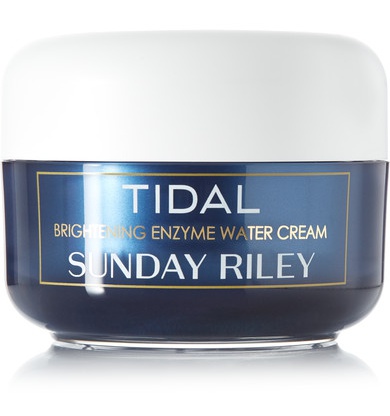
Sunday Riley Tidal Brightening Enzyme Water Cream (Discontinued)
Sunday Riley Tidal Brightening Enzyme Water Cream was once a cult-favorite moisturizer known for its lightweight, gel-like texture and its ability to deliver an immediate burst of hydration. Formulated as a 'water cream,' it aimed to brighten the skin using papaya enzymes while plumping the complexion with an advanced hyaluronic acid complex, specifically Sodium Hyaluronate Crosspolymer. The inclusion of Hydrolyzed Jojoba Esters and Glycerin ensured the skin remained soft, supple, and hydrated without the heavy feel of a traditional cream. Despite its popularity for providing a dewy finish and improving overall skin radiance, this product has since been discontinued by the brand. Users often praised how quickly it absorbed into the skin, making it a frequent staple for morning skincare routines. However, for those with acne-prone skin, the ingredient list requires a closer look. While the texture felt refreshing and airy, the formulation contained specific thickening agents and emollients that could potentially compromise skin clarity. If you are looking for an alternative or checking an old stash, understanding how its ingredients interact with your pores is essential for maintaining skin health.
Our Analysis
Our analysis of the Sunday Riley Tidal Brightening Enzyme Water Cream reveals a moderate comedogenic risk level. The primary concern is Algin, which carries a high comedogenic rating of 4/5. Algin is a polysaccharide thickener derived from brown algae that can create a film over the skin, potentially trapping sebum and leading to clogs. Additionally, the formula contains Caprylic/Capric Triglyceride (Rating 2/5). While this fractionated coconut oil is generally safer than raw coconut oil, it can still trigger breakouts in sensitive or highly reactive skin types. These ingredients make the product risky for congestion-prone individuals.
Skin Type Recommendations
This cream is best suited for dry or normal skin types seeking hydration and radiance. However, it is poorly suited for oily, combination, or acne-prone skin. The presence of Algin and Caprylic/Capric Triglycerides creates a high likelihood of pore congestion, which may exacerbate existing acne or cause new breakouts.
Flagged Ingredients
Polysaccharide thickener derived from brown algae; creates clogging films.
Fractionated coconut oil; removed most clogging long-chain acids but can still affect some.
Want Deeper Analysis?
Run our MACR (Multi-Axis Comedogenic Risk) analysis to get a comprehensive 5-axis risk assessment. This AI-powered analysis evaluates ingredients for Plugging Risk, Barrier Damage, Fungal Acne Risk, Oxidation Risk, and real-world User Reports — giving you personalized scores for your skin type.