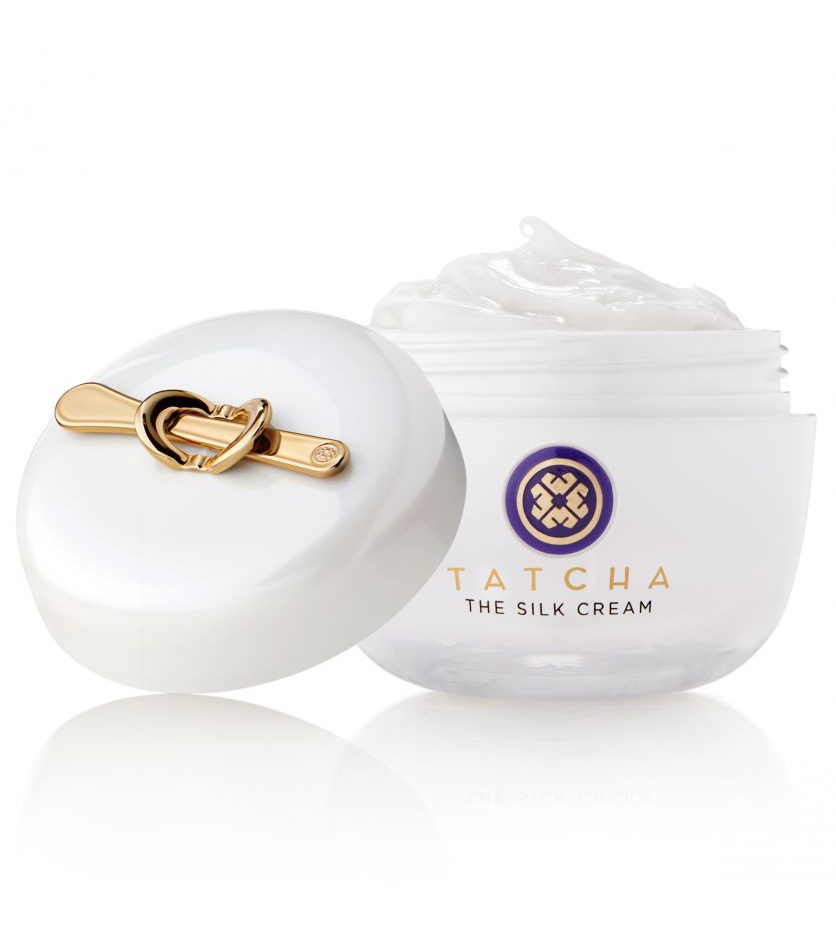
Tatcha The Silk Cream
Tatcha The Silk Cream is a luxurious, anti-aging moisturizer designed to provide a weightless, 'second skin' finish. Formulated by the iconic Japanese beauty brand, this cream features their signature Hadasei-3 complex—a proprietary fermented trio of green tea, rice, and algae that promotes a youthful glow and supports a healthy skin barrier. With a base of glycerin and propanediol, it offers deep hydration without a heavy or suffocating feel. The texture is unique, mimicking the smoothness of pure silk while providing a gel-cream consistency that absorbs beautifully. It aims to firm the skin and minimize the appearance of pores, making it a favorite for those seeking a blurred, radiant complexion. While it feels rich, the inclusion of cyclopentasiloxane ensures a silky, non-greasy application. This moisturizer is ideal for those who want the benefits of a traditional cream with the lightness of a gel, providing a sophisticated solution for daily hydration and long-term skin health for those concerned with fine lines and texture.
Our Analysis
Our analysis of Tatcha The Silk Cream reveals a low comedogenic risk, making it generally safe for most users. However, it does contain two ingredients that warrant a closer look: Caprylic/Capric Triglyceride and Stearic Acid, both carrying a rating of 2/5. Caprylic/Capric Triglyceride is a fractionated coconut oil that has had its most clogging long-chain fatty acids removed, but it can still trigger breakouts in individuals highly sensitive to coconut derivatives. Stearic Acid is a common thickening agent that poses a low-to-moderate risk of clogging pores. While not entirely 'pore-clogging free,' the risk level remains minimal for most.
Skin Type Recommendations
This cream is best suited for normal, dry, and combination skin types. Its hydrating ferments and silk extracts are excellent for sensitive skin. While the comedogenic risk is low, those with extremely oily or active acne-prone skin should patch test first due to the presence of mild coconut-derived lipids and stearic acid.
Flagged Ingredients
Fractionated coconut oil; removed most clogging long-chain acids but can still affect some.
Found in many butters; thickening agent with low-moderate risk.
Want Deeper Analysis?
Run our MACR (Multi-Axis Comedogenic Risk) analysis to get a comprehensive 5-axis risk assessment. This AI-powered analysis evaluates ingredients for Plugging Risk, Barrier Damage, Fungal Acne Risk, Oxidation Risk, and real-world User Reports — giving you personalized scores for your skin type.