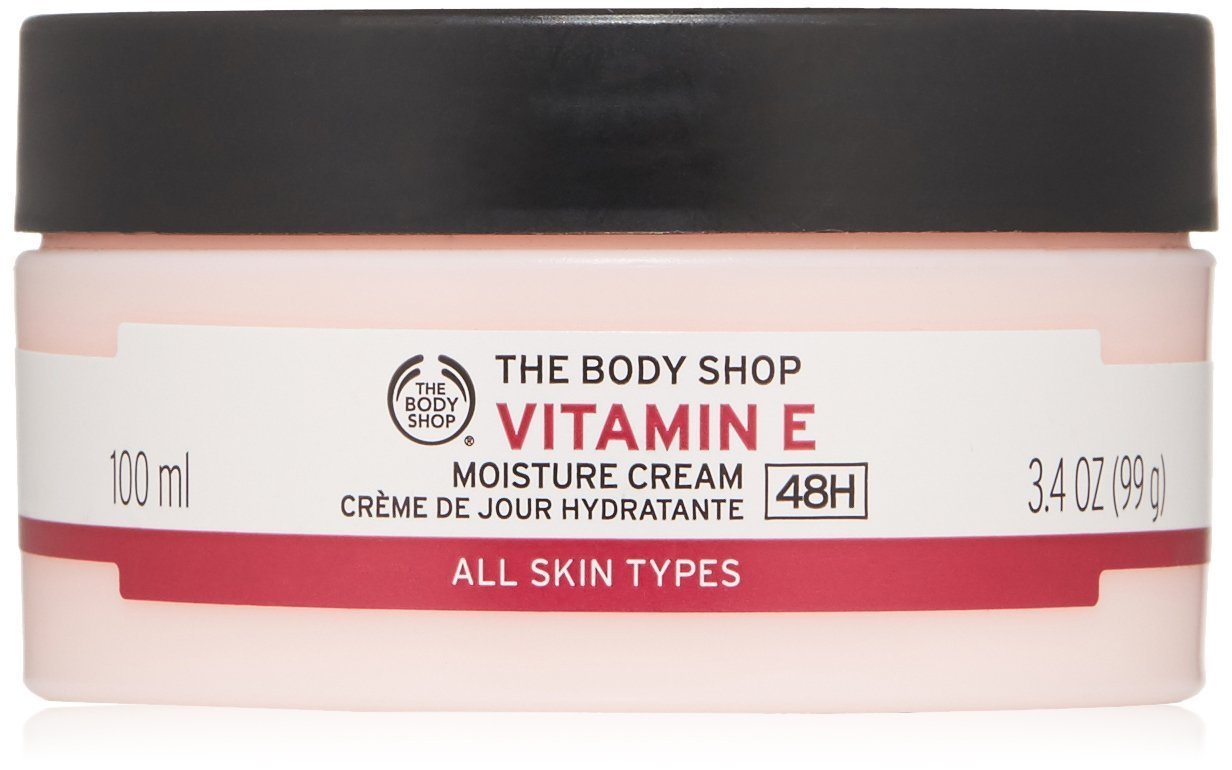
The Body Shop Vitamin E Moisture Cream
The Body Shop Vitamin E Moisture Cream is a long-standing cult favorite in the skincare world, designed to provide a burst of hydration and antioxidant protection for the complexion. Formulated with Glycerin and Tocopheryl Acetate (Vitamin E), this cream aims to restore the skin's moisture barrier and protect against environmental stressors. Its texture is famously lightweight yet deeply nourishing, often described as a refreshing drink of water for thirsty skin. However, a closer look at the ingredient list reveals a heavy reliance on emollients like Isopropyl Palmitate and Cetyl Esters to achieve that smooth, skin-softening feel. While these ingredients contribute to the cream's luxurious application and immediate softening effects, they may pose significant challenges for those with specific skin concerns. The formula focuses on locking in moisture and preventing transepidermal water loss, making it a popular choice for those seeking a simple, effective daily moisturizer. Despite its popularity, the inclusion of certain botanical oils and esters requires a more detailed analysis for anyone prone to breakouts or congestion.
Our Analysis
Our ingredient analysis of The Body Shop Vitamin E Moisture Cream reveals a high comedogenic risk. The formula contains Wheat Germ Oil, which holds a 5/5 rating on the comedogenicity scale, making it one of the most potent pore-clogging ingredients used in skincare. Additionally, Isopropyl Palmitate—a 4/5 rated fatty acid ester—is the second ingredient listed, indicating a very high concentration. While Beeswax (2/5) is also present, the primary concern lies in the combination of Wheat Germ Oil and Isopropyl Palmitate, which are documented to block pores and potentially trigger inflammatory acne.
Skin Type Recommendations
This cream is best suited for individuals with very dry or mature skin that is not prone to acne. Due to the high concentration of Isopropyl Palmitate and Wheat Germ Oil, it is poorly suited for oily, combination, or acne-prone skin types, as it will likely cause significant congestion.
Flagged Ingredients
Extremely high comedogenicity in rabbit ear assays; historically consistent pore-clogger.
Fatty acid ester documented to penetrate and block pores.
Forms a breathable barrier; rarely clogs pores directly but can trap other comedogenic ingredients underneath it.
Want Deeper Analysis?
Run our MACR (Multi-Axis Comedogenic Risk) analysis to get a comprehensive 5-axis risk assessment. This AI-powered analysis evaluates ingredients for Plugging Risk, Barrier Damage, Fungal Acne Risk, Oxidation Risk, and real-world User Reports — giving you personalized scores for your skin type.