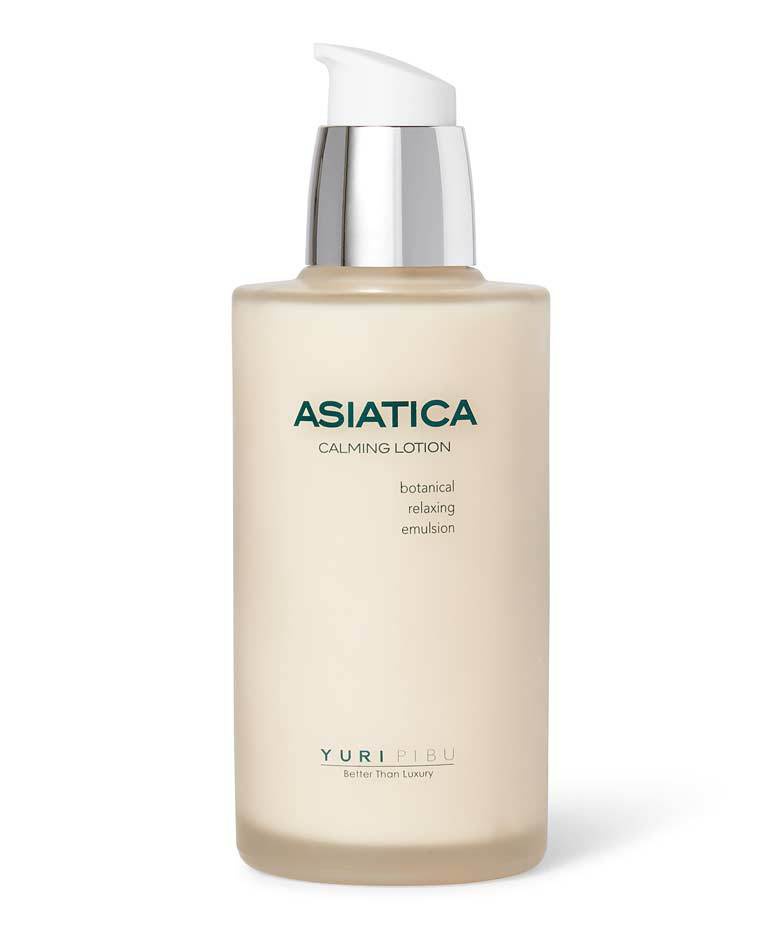
Yuri Pibu Asiatica Calming Lotion
Yuri Pibu Asiatica Calming Lotion is a soothing moisturizer designed to comfort reactive and irritated skin. At the heart of its formula is a high concentration of Centella Asiatica Leaf Extract, a powerhouse ingredient known for its anti-inflammatory, healing, and redness-reducing properties. This is complemented by Limnanthes Alba (Meadowfoam) Seed Oil, which provides a protective emollient barrier to lock in moisture. The texture is a classic lotion—velvety and spreadable—making it feel like a calming hug for the skin. However, while it focuses on the healing benefits of 'Asiatica,' the formulation relies on several fatty acids and alcohols to achieve its creamy consistency. Ingredients like Stearic Acid and Stearyl Alcohol give the product a luxurious feel but add a level of richness that might be too much for some. While it excels at repairing the skin barrier and providing relief from environmental stressors, the specific blend of emulsifiers and emollients means users should evaluate their skin's tolerance for stearates. It is an interesting option for those needing intense soothing, provided their pores can handle the heavier lipid profile.
Our Analysis
Our analysis of Yuri Pibu Asiatica Calming Lotion reveals a Moderate comedogenic risk level. The most significant concern is Glyceryl Stearate SE, which carries a rating of 3/5; this self-emulsifying version contains stearates that are known to potentially clog pores. The formula also includes Caprylic/Capric Triglyceride, Stearic Acid, and Stearyl Alcohol, all of which carry a 2/5 risk rating. While these ingredients provide excellent hydration and texture, their cumulative presence may trigger breakouts or congestion in users who are highly sensitive to fatty acids or coconut-derived derivatives.
Skin Type Recommendations
This lotion is best suited for dry, dehydrated, and sensitive skin types that require redness relief and barrier support. Due to the moderate risk from Glyceryl Stearate SE, it is not recommended for oily or acne-prone skin. Combination skin types should patch test or apply only to drier patches.
Flagged Ingredients
Self-emulsifying version contains stearates that can clog pores.
Fractionated coconut oil; removed most clogging long-chain acids but can still affect some.
Found in many butters; thickening agent with low-moderate risk.
Waxy fatty alcohol; low risk but can add heaviness.
Want Deeper Analysis?
Run our MACR (Multi-Axis Comedogenic Risk) analysis to get a comprehensive 5-axis risk assessment. This AI-powered analysis evaluates ingredients for Plugging Risk, Barrier Damage, Fungal Acne Risk, Oxidation Risk, and real-world User Reports — giving you personalized scores for your skin type.