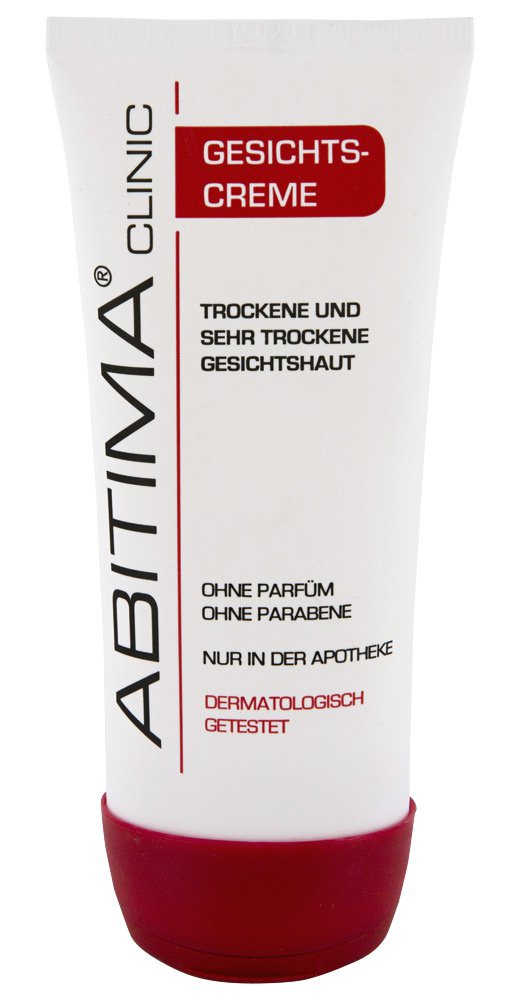
Abitima Clinic Gesichtscreme
Abitima Clinic Gesichtscreme is a moisturizing face cream designed for clinical-grade hydration and skin barrier support. As part of the Abitima Clinic skincare line, this product focuses on providing deep emollience to dry and sensitive skin. Looking at the first five ingredients, the formula features Aqua, Glycerin, and Caprylic/Capric Triglyceride. This combination suggests a rich, creamy texture that provides immediate relief to tight or flaky skin. Glycerin acts as a powerful humectant to draw moisture into the layers of the skin, while Sorbitan Stearate helps create a smooth, stable emulsion. The inclusion of fatty alcohols like Cetyl Alcohol gives the cream a substantial feel, designed to prevent transepidermal water loss and protect the skin from environmental stressors. While it is excellent for repairing a compromised moisture barrier, the texture is likely too heavy for those who prefer lightweight, oil-free gels. It is a traditional moisturizing cream that prioritizes comfort and long-lasting hydration for those with persistent dryness.
Our Analysis
Our analysis of Abitima Clinic Gesichtscreme reveals a High Comedogenic Risk level for those with acne-prone skin. The formula contains several ingredients that can trigger congestion, most notably Lanolin and Caprylic/Capric Triglyceride, which both carry a 2/5 rating. While these are excellent for dry skin, they can be problematic for those prone to blackheads. Furthermore, the combination of Cetearyl Alcohol and other emulsifiers can have a synergistic effect, potentially increasing the likelihood of clogged pores. Tocopherol (Vitamin E) also adds to the rich profile, which may be too occlusive for sensitive, breakout-prone individuals.
Skin Type Recommendations
This cream is best suited for individuals with very dry, dehydrated, or mature skin that needs intense barrier protection. However, we do not recommend this product for oily, combination, or acne-prone skin types. The high concentration of fatty alcohols and lanolin creates a significant risk of pore clogging and breakouts.
Flagged Ingredients
Fractionated coconut oil; removed most clogging long-chain acids but can still affect some.
A fatty alcohol (emollient) that is generally safe, but can be problematic for very sensitive individuals.
Natural emollient derived from sheep wool. Pure lanolin has moderate risk, but derivatives like acetylated lanolin are significantly more comedogenic (rating 4-5).
Pure Vitamin E is thick and sticky; safe in small amounts as an antioxidant, but potentially clogging in pure oil form.
Fatty alcohol emollient with low-moderate comedogenicity on its own. However, when combined with Ceteareth-20, the synergistic effect can significantly increase pore-clogging potential (combined rating of 4).
Want Deeper Analysis?
Run our MACR (Multi-Axis Comedogenic Risk) analysis to get a comprehensive 5-axis risk assessment. This AI-powered analysis evaluates ingredients for Plugging Risk, Barrier Damage, Fungal Acne Risk, Oxidation Risk, and real-world User Reports — giving you personalized scores for your skin type.