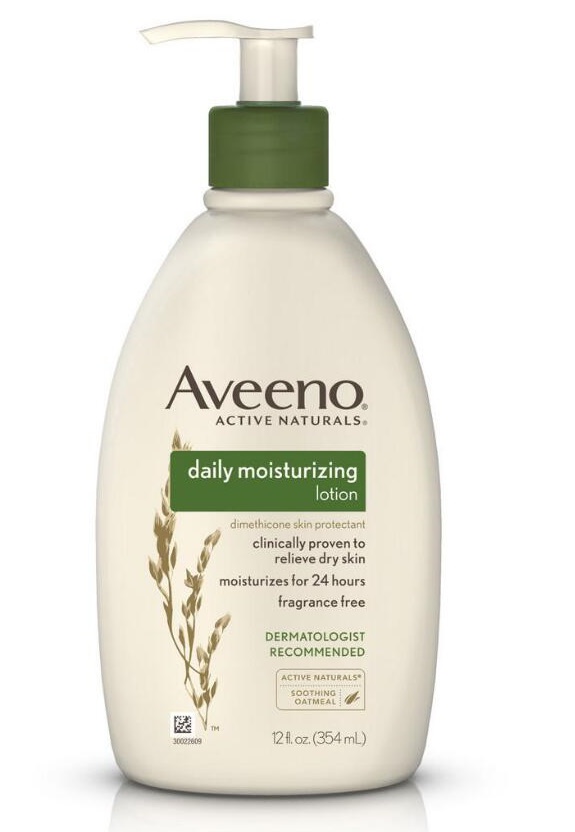
Aveeno Daily Moisturizing Lotion (Discontinued)
The Aveeno Daily Moisturizing Lotion (Discontinued) was a staple for many seeking simple, soothing hydration. Formulated with 1.2% Dimethicone as a skin protectant, this lotion was designed to lock in moisture and reinforce the skin's natural barrier. Key humectants like Glycerin and occlusives like Petrolatum provided a dual-action approach to preventing transepidermal water loss. The texture was famously lightweight and fast-absorbing, leaving a non-greasy finish that appealed to those with dry to normal skin types. While Aveeno is often synonymous with gentle care, this specific discontinued formulation required a closer look for those managing breakouts. The inclusion of Distearyldimonium Chloride helped with the smooth application and silky skin feel, but the presence of certain fatty acid esters meant it wasn't a universal win for every skin profile. Understanding the ingredient deck of this classic product is essential for those looking for modern, acne-safe alternatives that offer the same level of hydration without the risk of pore congestion.
Our Analysis
Our analysis of the Aveeno Daily Moisturizing Lotion reveals a moderate comedogenic risk level. The primary concern is Isopropyl palmitate, a fatty acid ester with a high comedogenic rating of 4 out of 5. This ingredient is known for its ability to penetrate and block pores, making it a common trigger for inflammatory acne and closed comedones. Additionally, the formula contains Cetyl alcohol (rated 2/5), a fatty alcohol used as an emollient. While Cetyl alcohol is typically safe for most, it can be problematic for individuals with extremely sensitive or reactive skin. Users with clear-skin goals should exercise caution.
Skin Type Recommendations
This product is best suited for dry and dehydrated skin on the body where pores are less prone to clogging. It is not recommended for oily, combination, or acne-prone skin, particularly for facial use. The high comedogenic rating of Isopropyl palmitate makes it likely to cause breakouts in these skin types.
Flagged Ingredients
Fatty acid ester documented to penetrate and block pores.
A fatty alcohol (emollient) that is generally safe, but can be problematic for very sensitive individuals.
Want Deeper Analysis?
Run our MACR (Multi-Axis Comedogenic Risk) analysis to get a comprehensive 5-axis risk assessment. This AI-powered analysis evaluates ingredients for Plugging Risk, Barrier Damage, Fungal Acne Risk, Oxidation Risk, and real-world User Reports — giving you personalized scores for your skin type.