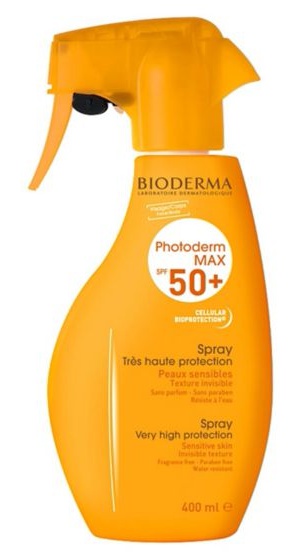
Bioderma Photoderm Max Spf 50+ Spray
Bioderma Photoderm Max SPF 50+ Spray is a high-performance sunscreen designed to offer maximum broad-spectrum protection in a convenient, user-friendly spray format. This formula utilizes an advanced blend of organic UV filters, including Methylene Bis-Benzotriazolyl Tetramethylbutylphenol (Tinosorb M) and Butyl Methoxydibenzoylmethane (Avobenzone), ensuring your skin is shielded from both UVA and UVB rays. The inclusion of Dicaprylyl Carbonate provides a lightweight, non-greasy texture that spreads effortlessly and absorbs quickly without leaving a heavy residue. Beyond simple sun filtration, Bioderma integrates ingredients that help protect skin cells against oxidative stress and strengthen the skin's natural defense mechanisms. While the formula is fragrance-free and highly water-resistant, making it ideal for outdoor activities, those with acne-prone skin should be mindful of its specific ingredient profile. The spray's texture is designed for ease of use on the body and face, but the potential for pore-clogging should be weighed against its high level of protection. It remains a reliable choice for long-term sun exposure when high-level UV safety is the primary goal.
Our Analysis
Our analysis categorizes Bioderma Photoderm Max SPF 50+ Spray as having a moderate comedogenic risk level. The most significant concern is the inclusion of Algae Extract, which carries a maximum comedogenic rating of 5/5. Algae extract is naturally rich in iodides; these compounds can irritate the follicular lining of the pores, leading to the formation of micro-comedones and triggering inflammatory acne breakouts. Furthermore, the formula contains Capric/Caprylic Triglyceride, a derivative of coconut oil rated 2/5. While generally considered safer than raw coconut oil, it can still contribute to congestion in those with highly sensitive or oily skin types.
Skin Type Recommendations
This spray is best suited for dry, normal, or combination skin types that are not prone to frequent breakouts. Due to the high-risk Algae Extract, we do not recommend this product for oily or acne-prone individuals. Sensitive skin types may benefit from the fragrance-free formula but should still patch test.
Flagged Ingredients
Rich in iodides which irritate the pore lining, triggering inflammation and micro-comedones.
Fractionated coconut oil; removed most clogging long-chain acids but can still affect some.
Want Deeper Analysis?
Run our MACR (Multi-Axis Comedogenic Risk) analysis to get a comprehensive 5-axis risk assessment. This AI-powered analysis evaluates ingredients for Plugging Risk, Barrier Damage, Fungal Acne Risk, Oxidation Risk, and real-world User Reports — giving you personalized scores for your skin type.