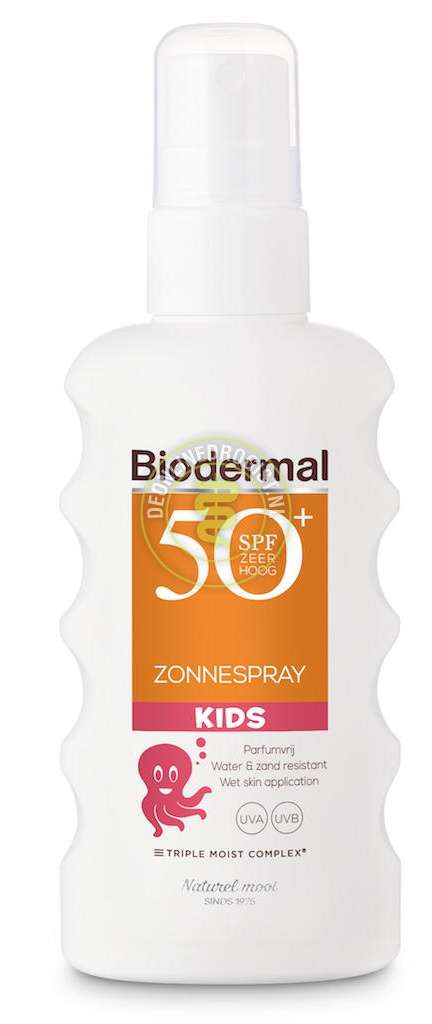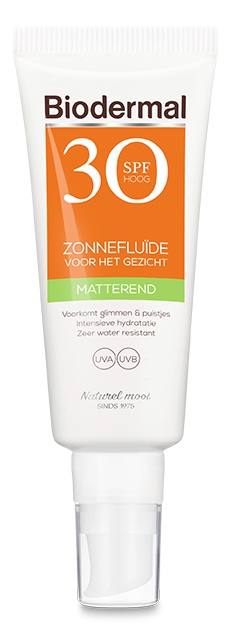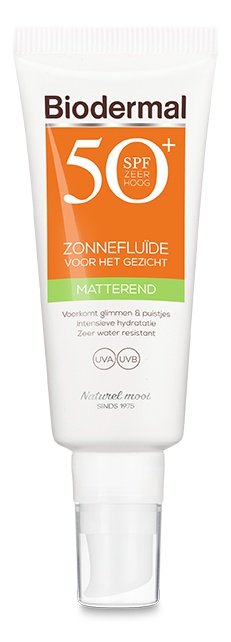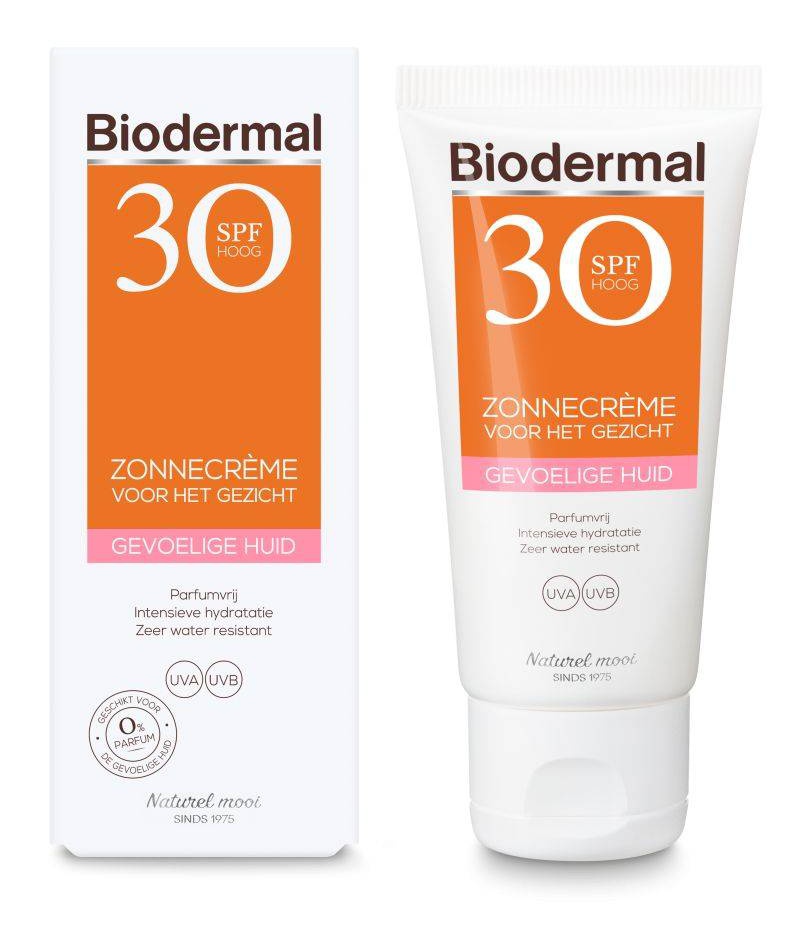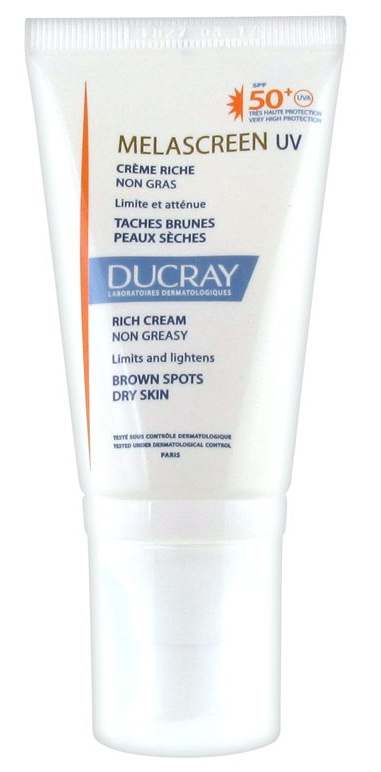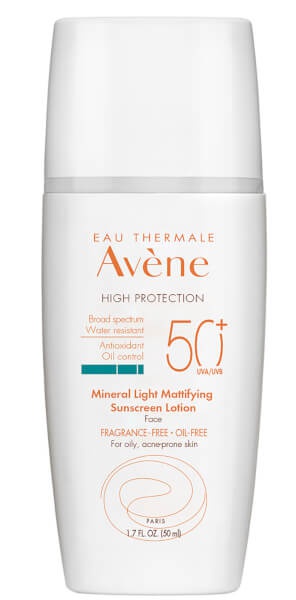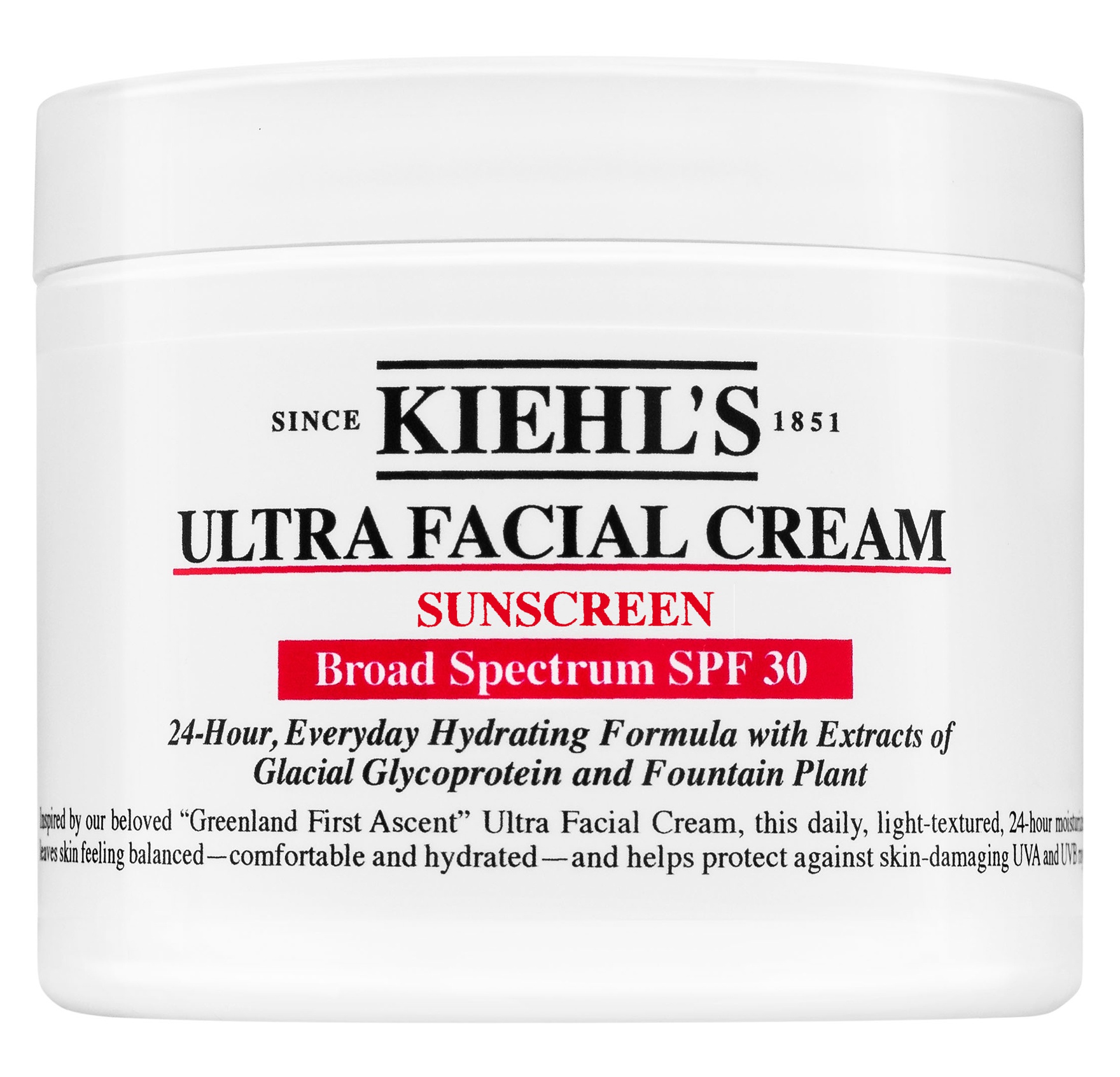
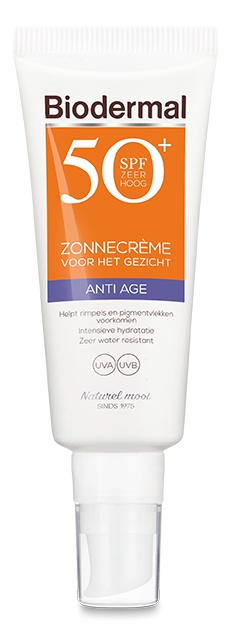
Biodermal Biodermal Anti-Age Spf 50
The Biodermal Anti-Age SPF 50 is a high-protection sunscreen formulated to defend the skin against UVA and UVB rays while targeting aging concerns. As a daily facial sunscreen, it prioritizes broad-spectrum coverage using advanced filters like Octocrylene and Methylene Bis-Benzotriazolyl Tetramethylbutylphenol (Nano). The inclusion of C12-15 Alkyl Benzoate helps provide a silky, spreadable feel, ensuring the product applies evenly across the skin. While its primary goal is to prevent sun damage and premature wrinkles, the formula contains several waxy esters and emollients intended to maintain the skin's moisture barrier throughout the day. This product is often sought after for its dual-action approach—combining intensive sun defense with ingredients meant to nourish maturing skin. However, for those focused on maintaining clear pores, it is essential to look beyond the anti-aging benefits and examine how these moisturizing agents interact with your specific skin type, as the texture is notably occlusive and rich.
Our Analysis
Our analysis of Biodermal Anti-Age SPF 50 reveals a high comedogenic risk, making it a potential trigger for breakouts. The formula contains Myristyl Myristate, a waxy ester with a 5/5 rating that is highly occlusive and difficult for the skin to break down. Additionally, Algin is flagged for its tendency to create clogging films. We also noted the presence of Cetearyl Alcohol; while normally low-risk, its synergy with other formula components can significantly increase its pore-clogging potential. These ingredients collectively make the product risky for those struggling with congestion or active acne.
Skin Type Recommendations
This sunscreen is best suited for very dry or mature skin types that require heavy occlusion and are not prone to acne. We strongly recommend that individuals with oily, combination, or acne-prone skin avoid this product, as the high-rated comedogenic ingredients are likely to cause breakouts and congestion.
Flagged Ingredients
Waxy ester that is highly occlusive and difficult for skin to break down.
Polysaccharide thickener derived from brown algae; creates clogging films.
Fatty alcohol emollient with low-moderate comedogenicity on its own. However, when combined with Ceteareth-20, the synergistic effect can significantly increase pore-clogging potential (combined rating of 4).
Want Deeper Analysis?
Run our MACR (Multi-Axis Comedogenic Risk) analysis to get a comprehensive 5-axis risk assessment. This AI-powered analysis evaluates ingredients for Plugging Risk, Barrier Damage, Fungal Acne Risk, Oxidation Risk, and real-world User Reports — giving you personalized scores for your skin type.