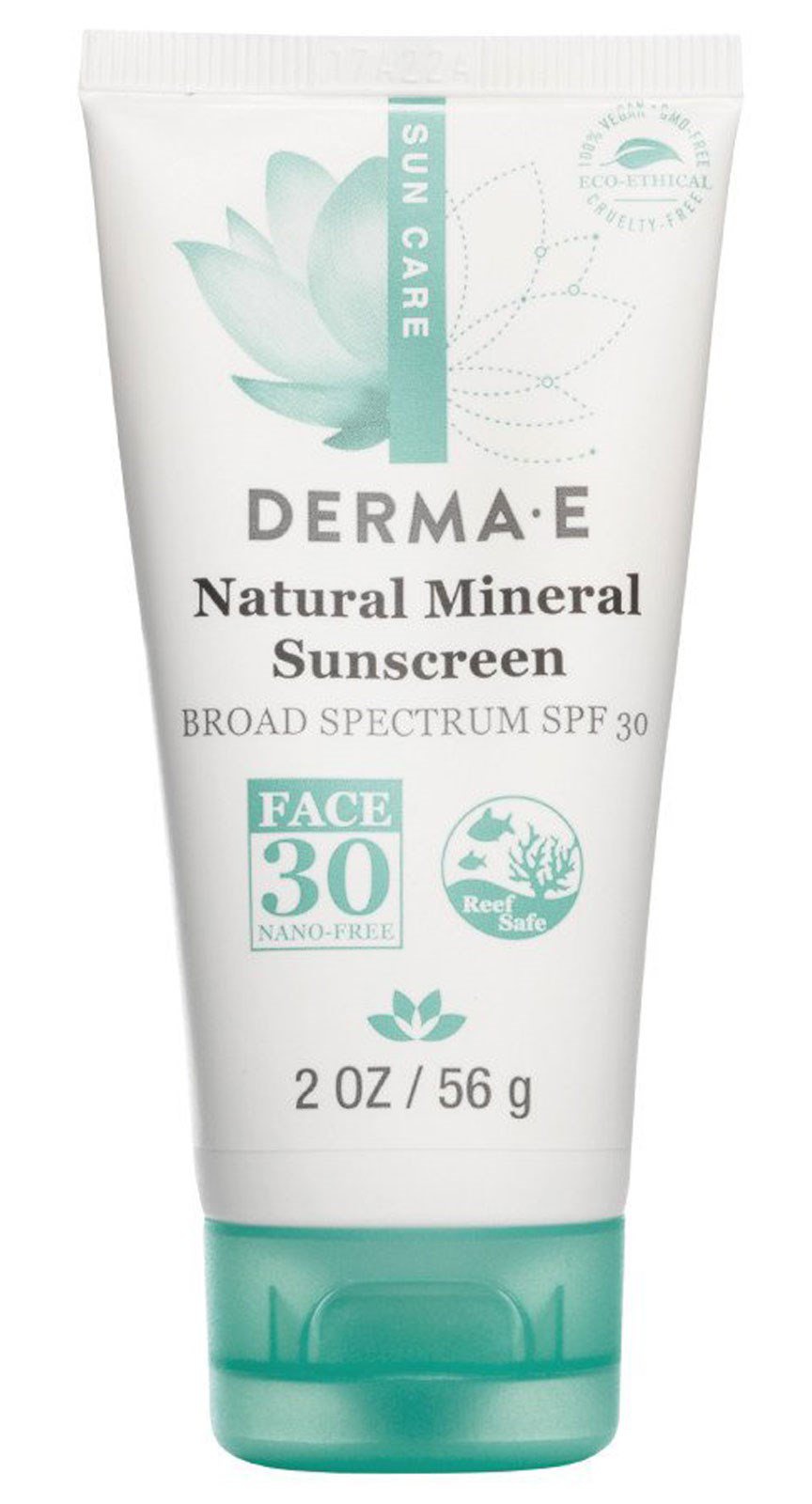
Derma E Natural Mineral Sunscreen Spf 30 (Discontinued)
Derma E Natural Mineral Sunscreen SPF 30 is a discontinued physical sun protection formula that was widely recognized for its clean, eco-conscious approach to skincare. Formulated with a high concentration of 20% Zinc Oxide, this broad-spectrum sunscreen provided reliable protection against UVA and UVB rays while remaining gentle on the skin's surface. Unlike chemical filters that can often irritate reactive complexions, the mineral base of this Derma E product was designed to reflect harmful rays without absorbing into the bloodstream. The ingredient list highlights lightweight, plant-derived emollients like Coco-Caprylate and Dicaprylyl Carbonate, which helped the mineral formula spread more smoothly and evenly than traditional, chalky sunscreens. While this specific version is no longer available for purchase, it remains a benchmark for mineral-based sun care by prioritizing non-nano zinc and antioxidant support. Its texture was generally described as creamy but breathable, making it a popular staple for those seeking a more natural alternative to conventional sunscreens. Understanding its ingredient profile is still incredibly valuable for users looking for similar non-comedogenic replacements.
Our Analysis
Our analysis of the Derma E Natural Mineral Sunscreen SPF 30 reveals a low comedogenic risk level, making it generally safe for those concerned about breakouts. We flagged two specific ingredients with a 2/5 rating: Tocopherol (Vitamin E) and Stearic Acid. While Tocopherol is an excellent antioxidant for skin repair, in certain forms it can be thick and potentially clogging for highly reactive individuals. Stearic Acid is a common fatty acid used as a thickening agent that poses a low-to-moderate risk. Because these ingredients appear alongside non-clogging minerals, the overall formula remains a solid choice for acne-prone skin.
Skin Type Recommendations
This sunscreen is best suited for sensitive and acne-prone skin due to the soothing, anti-inflammatory properties of Zinc Oxide. Its emollient base also makes it a great match for combination to dry skin types. However, individuals with very oily skin should note that Stearic Acid may feel slightly heavy.
Flagged Ingredients
Pure Vitamin E is thick and sticky; safe in small amounts as an antioxidant, but potentially clogging in pure oil form.
Found in many butters; thickening agent with low-moderate risk.
Want Deeper Analysis?
Run our MACR (Multi-Axis Comedogenic Risk) analysis to get a comprehensive 5-axis risk assessment. This AI-powered analysis evaluates ingredients for Plugging Risk, Barrier Damage, Fungal Acne Risk, Oxidation Risk, and real-world User Reports — giving you personalized scores for your skin type.