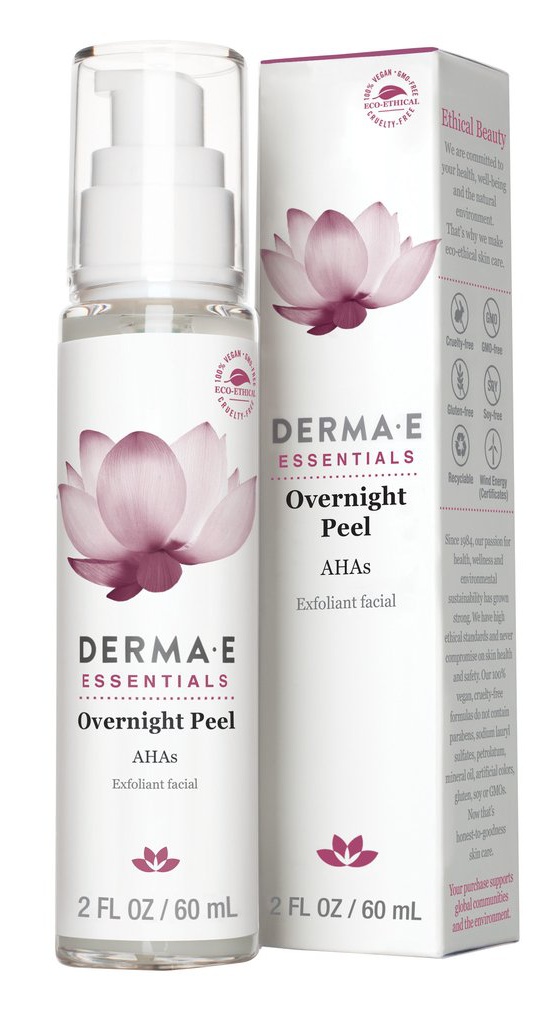
Derma E Overnight Peel (Discontinued)
The Derma E Overnight Peel was designed as a potent alpha hydroxy acid (AHA) treatment to rejuvenate the skin's surface while you sleep. Formulated with a significant concentration of Glycolic Acid, this exfoliant aimed to dissolve dead skin cells, refine uneven texture, and brighten the complexion. The formula includes vegetable-derived Glycerin and Caprylic/Capric Triglyceride, suggesting a creamy, lotion-like consistency intended to deliver hydration alongside the chemical exfoliation. While the brand is known for its clean beauty approach, this specific formulation balances the exfoliating power of AHAs with thickening agents like Stearic Acid to provide a comfortable overnight wear. Although now discontinued, it remains a frequently searched product for those looking to understand how its ingredients affected their skin barrier. While the Glycolic Acid provides undeniable benefits for skin radiance and cell turnover, the rich emollient base contains several ingredients that may pose a challenge for those struggling with persistent congestion or active breakouts, making it a complex choice for sensitive skin types.
Our Analysis
Our analysis classifies the Derma E Overnight Peel as having a HIGH comedogenic risk. The primary concern is Ceteareth-20, which has a 5/5 rating; it acts as a penetration enhancer that can drag other ingredients deeper into the pores, leading to congestion. Additionally, when Ceteareth-20 is paired with Cetearyl Alcohol, their synergistic effect raises the comedogenic potential to a 4. The formula also contains Capric/Caprylic Triglyceride and Stearic Acid, both rated 2/5. While Glycolic Acid is beneficial for exfoliation, these surrounding ingredients create a significant risk for those prone to acne.
Skin Type Recommendations
This peel is best suited for dry, non-acne-prone skin types looking for intense exfoliation. It is NOT recommended for oily, combination, or acne-prone skin due to high-risk ingredients like Ceteareth-20. Sensitive individuals should also be cautious, as the combination of AHAs and penetration enhancers may cause irritation or purging.
Flagged Ingredients
Highly comedogenic penetration enhancer. Opens the skin barrier to drag other ingredients deeper, causing congestion.
Fractionated coconut oil; removed most clogging long-chain acids but can still affect some.
Found in many butters; thickening agent with low-moderate risk.
Fatty alcohol emollient with low-moderate comedogenicity on its own. However, when combined with Ceteareth-20, the synergistic effect can significantly increase pore-clogging potential (combined rating of 4).
A fatty alcohol (emollient) that is generally safe, but can be problematic for very sensitive individuals.
Want Deeper Analysis?
Run our MACR (Multi-Axis Comedogenic Risk) analysis to get a comprehensive 5-axis risk assessment. This AI-powered analysis evaluates ingredients for Plugging Risk, Barrier Damage, Fungal Acne Risk, Oxidation Risk, and real-world User Reports — giving you personalized scores for your skin type.