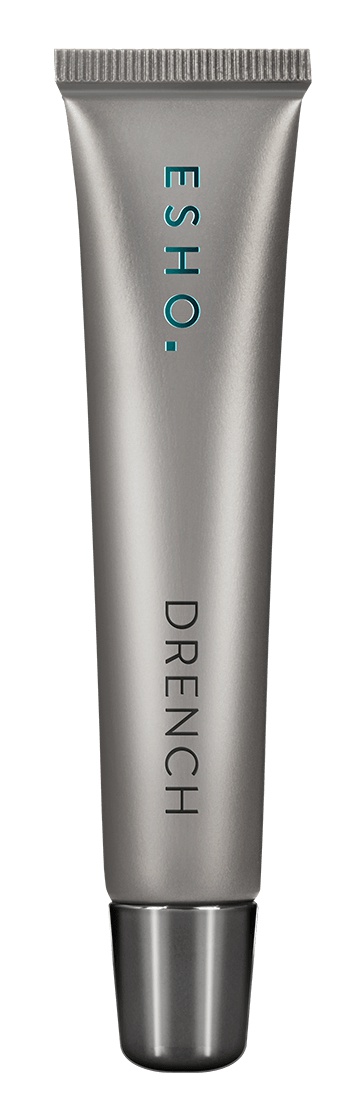
Esho Drench (Discontinued)
Esho Drench was formulated as a high-performance hydrating treatment, designed to provide intensive moisture through a blend of potent actives and botanical oils. The formula is anchored by Sclerocarya Birrea Seed Oil (Marula Oil), which is celebrated for its high antioxidant content and fatty acids, alongside Lactococcus Ferment Lysate to support the skin's microbiome. With Panthenol and Glycerin appearing early in the ingredient list, the product aims to soothe inflammation while locking in humectant moisture. In terms of texture, the presence of fatty alcohols and triglycerides suggests a rich, creamy consistency that leaves a protective emollient film on the skin. Although the product has been discontinued, it remains a notable example of a probiotic-infused hydrator. However, despite these beneficial ingredients, the formulation contains specific components that may be problematic for those with sensitive or blemish-prone skin. Understanding how these ingredients interact is essential for anyone analyzing this product's impact on pore health and skin clarity.
Our Analysis
Our analysis classifies Esho Drench as having a HIGH comedogenic risk. The primary concern is Ceteareth-20, a potent penetration enhancer with a 5/5 comedogenic rating that can trap debris deep within the pores. When Ceteareth-20 is combined with Cetearyl Alcohol, as it is here, the synergistic effect creates a significantly higher clogging potential than either ingredient alone. Additionally, the inclusion of Tocopherol and Caprylic/Capric Triglyceride adds to the emollient weight, which may further exacerbate congestion in those prone to acne. While hydrating, the formula poses a high risk for inflammatory breakouts.
Skin Type Recommendations
Esho Drench is best suited for individuals with very dry, resilient skin that is not prone to acne or congestion. However, it is highly discouraged for oily, combination, or acne-prone skin types. The combination of Ceteareth-20 and Cetearyl Alcohol is likely to trigger breakouts and persistent blackheads in sensitive pores.
Flagged Ingredients
Highly comedogenic penetration enhancer. Opens the skin barrier to drag other ingredients deeper, causing congestion.
Pure Vitamin E is thick and sticky; safe in small amounts as an antioxidant, but potentially clogging in pure oil form.
Fractionated coconut oil; removed most clogging long-chain acids but can still affect some.
Fatty alcohol emollient with low-moderate comedogenicity on its own. However, when combined with Ceteareth-20, the synergistic effect can significantly increase pore-clogging potential (combined rating of 4).
Want Deeper Analysis?
Run our MACR (Multi-Axis Comedogenic Risk) analysis to get a comprehensive 5-axis risk assessment. This AI-powered analysis evaluates ingredients for Plugging Risk, Barrier Damage, Fungal Acne Risk, Oxidation Risk, and real-world User Reports — giving you personalized scores for your skin type.