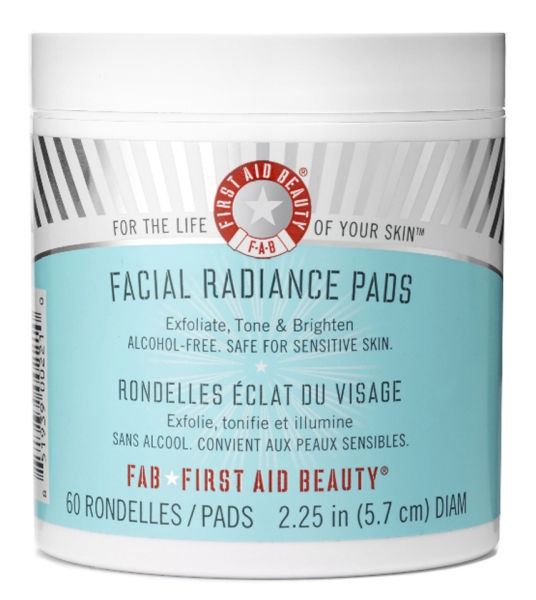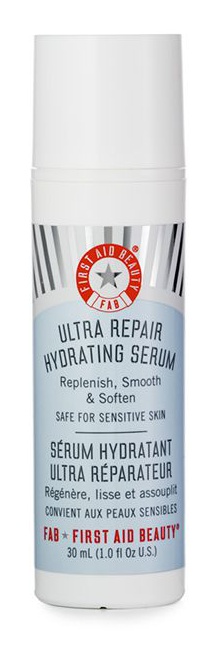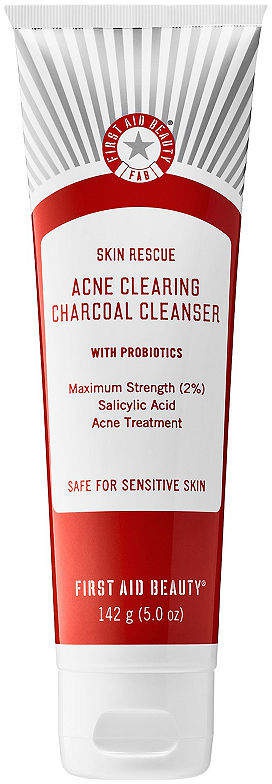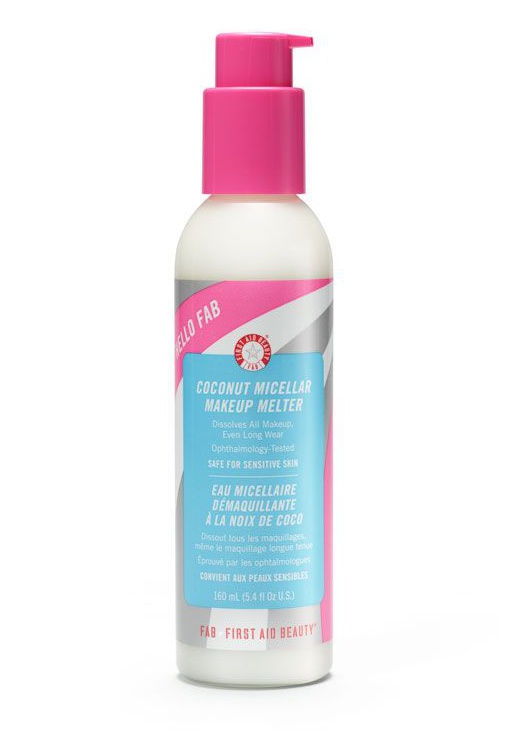
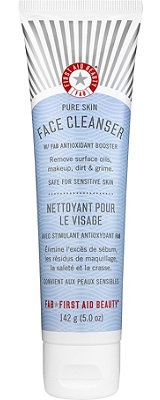
First Aid Beauty Face Cleanser
First Aid Beauty Face Cleanser is a cult-favorite cream cleanser designed specifically for sensitive skin. Formulated with a pH-balanced blend, it effectively removes makeup, dirt, and oils without stripping the skin's natural moisture barrier. Its creamy, whipped texture feels luxurious and soothing upon application. Key beneficial ingredients include Glycerin, a powerful humectant that draws moisture into the skin, and Sodium Cocoyl Isethionate, a mild surfactant derived from coconut that provides a gentle cleanse. The formula is often praised for being fragrance-free and allergy-tested, making it a go-to for those with redness or irritation. However, looking at the first five ingredients, we see Stearic Acid and Stearyl Alcohol, which give the product its rich, creamy consistency but also introduce a moderate risk for those with highly reactive, acne-prone skin. It balances effective cleansing with antioxidant protection from Vitamin E (Tocopherol), aiming to leave the complexion calm and supple. This cleanser is a staple for those seeking comfort and hydration during their daily routine.
Our Analysis
Our analysis of the First Aid Beauty Face Cleanser reveals a Moderate comedogenic risk level. While it's marketed for sensitive skin, it contains three ingredients flagged for potential pore-clogging: Stearic Acid, Stearyl Alcohol, and Tocopherol (Vitamin E). Both Stearic Acid and Stearyl Alcohol are fatty substances used as thickening agents; they carry a rating of 2/5, meaning they may be heavy for certain skin types. Tocopherol also carries a 2/5 rating. While these risks are low-to-moderate, individuals with very active acne or easily congested pores should monitor how their skin responds to this creamy formula.
Skin Type Recommendations
This cleanser is ideal for dry, sensitive, or combination skin types looking for a non-stripping wash. However, for those with oily or severely acne-prone skin, the inclusion of Stearic Acid and Stearyl Alcohol may be too occlusive, potentially leading to congestion or breakouts over time. Use with caution if acne-prone.
Flagged Ingredients
Found in many butters; thickening agent with low-moderate risk.
Waxy fatty alcohol; low risk but can add heaviness.
Pure Vitamin E is thick and sticky; safe in small amounts as an antioxidant, but potentially clogging in pure oil form.
Want Deeper Analysis?
Run our MACR (Multi-Axis Comedogenic Risk) analysis to get a comprehensive 5-axis risk assessment. This AI-powered analysis evaluates ingredients for Plugging Risk, Barrier Damage, Fungal Acne Risk, Oxidation Risk, and real-world User Reports — giving you personalized scores for your skin type.