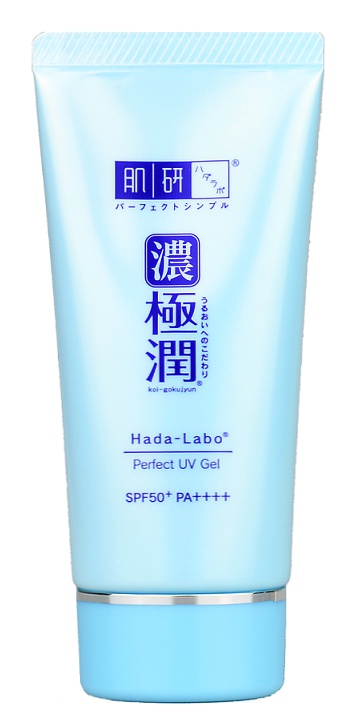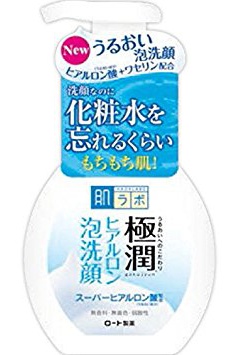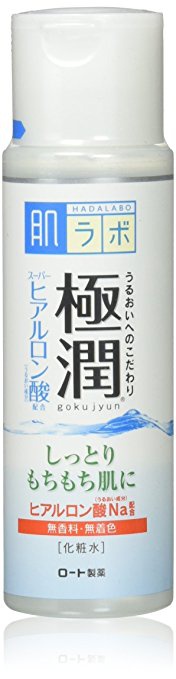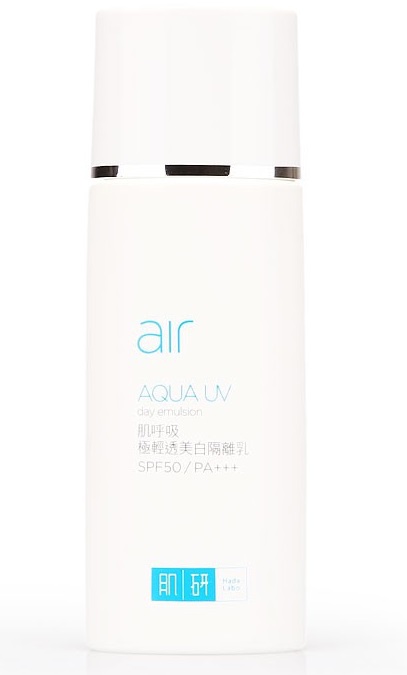
Hada Labo Shirojyun Clear Lotion
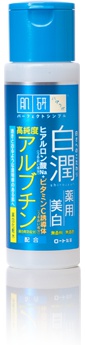
Hada Labo Shirojyun Clear Lotion is a highly-regarded brightening toner from the iconic Japanese skincare brand Hada Labo. This lightweight, watery lotion is specifically formulated to target dullness and uneven skin tone while providing the intense hydration the brand is famous for. The star ingredient is Arbutin, a potent yet gentle brightening agent that helps diminish the appearance of dark spots and hyperpigmentation. Supported by a base of Water, Butylene Glycol, and Glycerin, the texture is incredibly fluid and absorbs almost instantly into the skin, leaving no sticky residue. Sorbitol further enhances moisture retention, ensuring the complexion stays plump and dewy throughout the day. Ideal for layering, this lotion preps the skin perfectly for subsequent serums or moisturizers. Its minimalist approach avoids unnecessary additives, focusing instead on high-quality humectants and brightening actives. If you are looking for a 'glass skin' glow without the weight of a heavy cream, this clear lotion is an essential step for achieving a radiant, hydrated, and clear complexion.
Our Analysis
Our analysis of Hada Labo Shirojyun Clear Lotion yields a LOW comedogenic risk level, making it a stellar option for those navigating acne-prone skin. We found no flagged or pore-clogging ingredients in this formulation. The product utilizes safe, effective humectants like Glycerin and Butylene Glycol to deliver moisture without the risk of follicular congestion. By excluding heavy oils and waxes that often trigger breakouts, Hada Labo has created a brightening solution that prioritizes skin clarity. It is a factual, safe choice for anyone looking to treat hyperpigmentation without worrying about new blemishes.
Skin Type Recommendations
This product is best for oily, combination, and acne-prone skin types due to its lightweight, non-comedogenic formula. Sensitive skin will also benefit from its simple ingredient list. While excellent for hydration, those with very dry skin should follow up with an occlusive moisturizer to lock in the lotion's watery benefits.
Flagged Ingredients
This product does not contain known high-risk comedogenic ingredients.
MACR Analysis
5-Axis AI-Powered Risk Assessment
Recommendations
Recommended for most skin types seeking hydration and brightening, but with caution for sensitive, reactive, or acne-prone individuals due to preservative concerns.
Normal skin types seeking hydration, Skin seeking mild brightening from Arbutin
Sensitive skin, Acne-prone skin, Oily skin prone to breakouts
Individuals with known sensitivities to Methylisothiazolinone or Iodopropynyl Butylcarbamate, Skin that is actively inflamed or compromised
- •Perform a patch test on a small area of skin before applying to the entire face.
- •If irritation occurs, discontinue use immediately.
- •Ensure good sun protection as Arbutin can increase photosensitivity.
Overall Risk Score
Lower is better
Score by Skin Type
Lower is better
Same product, different risks based on your skin type
This serum presents a moderate overall risk, primarily driven by preservatives and penetration enhancers that can disrupt the skin barrier and potentially lead to irritation or reactive breakouts. While it contains beneficial ingredients like Arbutin and Hyaluronic Acid, the inclusion of Methylisothiazolinone and Iodopropynyl Butylcarbamate warrants caution for sensitive and acne-prone skin types.
Risk Breakdown
Ingredient Interactions
These ingredients may interact to increase risk beyond their individual scores.
Butylene Glycol's penetration enhancement can drive the irritant Methylisothiazolinone deeper into compromised skin.
The combination of Butylene Glycol, acting as a penetration enhancer, with Methylisothiazolinone, a known irritant and sensitizer, can create a more severe barrier disruption. This allows the irritating properties of Methylisothiazolinone to affect deeper layers of the stratum corneum, increasing the risk of inflammatory responses and reactive breakouts.
Butylene Glycol can enhance the penetration of the sensitizing preservative Iodopropynyl Butylcarbamate.
Similar to the interaction with Methylisothiazolinone, Butylene Glycol's ability to enhance penetration can lead to increased absorption of Iodopropynyl Butylcarbamate. This heightened exposure can exacerbate its potential for skin irritation and allergic reactions, particularly for sensitive or compromised skin.
Why This Score?
The overall score is calculated by weighing the risk across five axes: Plugging Risk (PR), Barrier Risk (BR), Fungal Risk (FR), Oxidation Risk (OR), and User-Reported Risk (UR). Barrier Risk (BR) is the most significant contributor due to the presence of penetration enhancers and known irritant preservatives. Film-formers also contribute to PR. Oxidation Risk (OR) is moderately raised by the Vitamin C derivative. The User-Reported (UR) score is low as the flagged ingredients don't appear prominently on common user-reported lists for severe comedogenicity, but their irritant potential is high.
Main factors:
- •Barrier Risk (BR) due to preservatives and penetration enhancers
- •Plugging Risk (PR) from film-formers
- •Oxidation Risk (OR) from Magnesium Ascorbyl Phosphate
Reducing factors:
- •The presence of beneficial humectants and hydrators like Glycerin and Hyaluronic Acid.
- •The absence of commonly flagged comedogenic oils, butters, or fatty acids.
- •The specific Vitamin C derivative (MAP) is less prone to oxidation than pure Ascorbic Acid.
Skin Type Considerations
This analysis uses the Multi-Axis Comedogenic Risk (MACR) system. Results are AI-estimated and cannot account for actual ingredient concentrations. Individual reactions may vary. Consult a dermatologist for personalized advice.