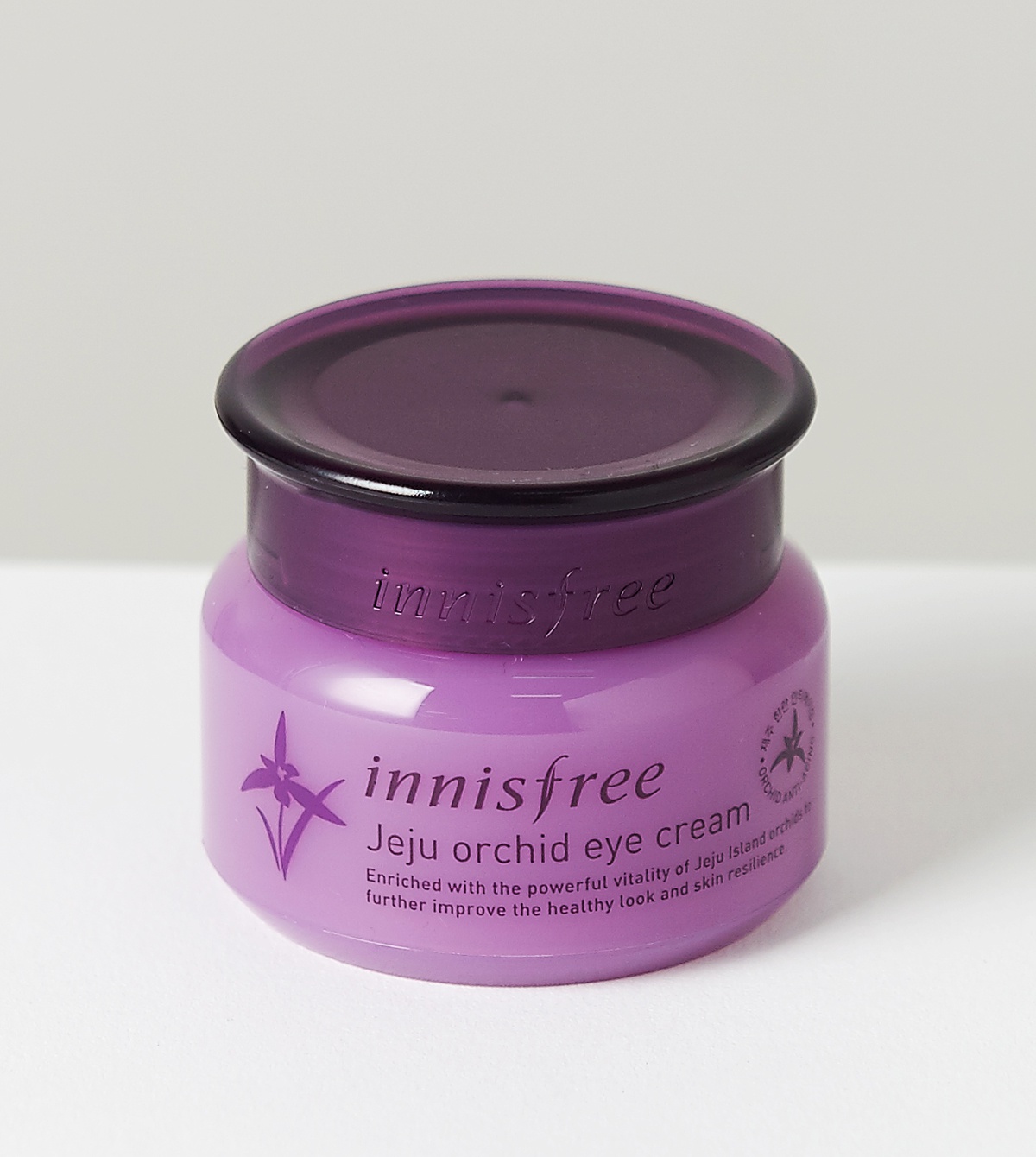
innisfree Jeju Orchid Eye Cream (Discontinued)
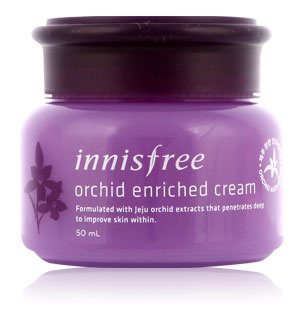
The innisfree Jeju Orchid Eye Cream was a popular anti-aging treatment designed to target early signs of aging around the delicate eye area. Formulated with the brand's signature 'Orchid Elixir 2.0,' derived from Jeju orchids, this cream aimed to provide antioxidant protection and improve skin elasticity. The ingredient profile starts with hydrating Butylene Glycol and Glycerin, followed by Squalane and Cetyl Ethylhexanoate, which give the product a silky, emollient texture that effectively locks in moisture. While it offers a rich and nourishing feel that dry skin types often crave, it is important to note its complex fatty acid profile. Although currently discontinued, it remains a point of interest for those looking to understand the ingredients in their past favorites. This cream was intended to smooth fine lines and brighten the under-eye area, but as our analysis shows, its rich formula contains several components that require a closer look for those with specific skin sensitivities or concerns regarding clogged pores and milia.
Our Analysis
Our analysis reveals that the innisfree Jeju Orchid Eye Cream carries a HIGH comedogenic risk level. This is primarily due to the inclusion of several saturated fatty acids. Lauric acid, with a high rating of 4/5, is particularly concerning as it is known to be highly clogging and potentially irritating in isolation. Myristic acid (3/5) also poses a significant risk for those with oily skin. Additionally, the presence of stearic and palmitic acids adds to the occlusive nature of the formula. While these ingredients provide a protective barrier, their cumulative effect can be problematic for individuals prone to congestion.
Skin Type Recommendations
This eye cream is best suited for very dry or mature skin types that are not prone to acne or milia. Due to the high concentration of comedogenic ingredients like Lauric and Myristic acid, we recommend that those with oily, combination, or acne-prone skin avoid this formula to prevent pore congestion.
Flagged Ingredients
Can be irritating and clogging in isolation due to molecular structure.
Saturated fatty acid that can be problematic for oily skin.
Found in many butters; thickening agent with low-moderate risk.
Saturated fatty acid; provides barrier but can be occlusive.
Fatty alcohol emollient with low-moderate comedogenicity on its own. However, when combined with Ceteareth-20, the synergistic effect can significantly increase pore-clogging potential (combined rating of 4).
Emulsifier with lower clog potential than Oleate.
Pure Vitamin E is thick and sticky; safe in small amounts as an antioxidant, but potentially clogging in pure oil form.
Want Deeper Analysis?
Run our MACR (Multi-Axis Comedogenic Risk) analysis to get a comprehensive 5-axis risk assessment. This AI-powered analysis evaluates ingredients for Plugging Risk, Barrier Damage, Fungal Acne Risk, Oxidation Risk, and real-world User Reports — giving you personalized scores for your skin type.