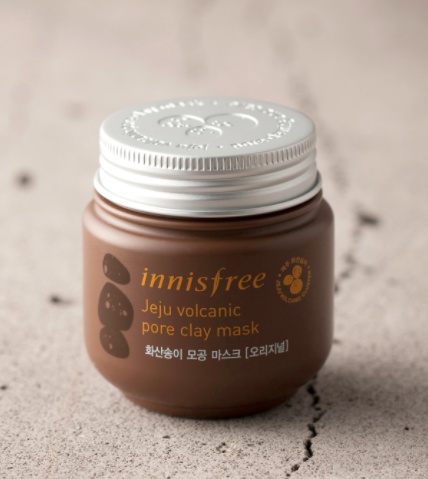
innisfree Jeju Volcanic Pore Clay Mask (Discontinued)
The innisfree Jeju Volcanic Pore Clay Mask (Discontinued) was a staple deep-cleansing treatment designed to target excess sebum and minimize the appearance of pores. Utilizing the natural absorbent properties of Jeju volcanic clusters, this mask combined silica and titanium dioxide to draw out impurities from deep within the skin. The inclusion of glycerin and butylene glycol helped maintain a level of hydration, preventing the 'cracking' sensation common in traditional clay masks. Its texture was notably creamy and easy to spread, attributed to a blend of emollients including hydrogenated vegetable oil and stearic acid. While it offered a refreshing, matte finish, the formula contained several ingredients that contribute to its rich feel but may affect those with specific sensitivities. Although this exact version has been discontinued, its legacy in pore care continues through updated formulations that still prioritize volcanic ash for oil control.
Our Analysis
Our analysis of this innisfree mask indicates a MODERATE comedogenic risk level. The formula contains four flagged ingredients: hydrogenated vegetable oil (3/5), capric/caprylic triglyceride (2/5), cetearyl alcohol (2/5), and stearic acid (2/5). Hydrogenated vegetable oil is particularly notable for its occlusive nature, which can trap heat and sebum. Additionally, while cetearyl alcohol has a low individual rating, when paired with other emollients in a heavy mask base, it can increase the likelihood of congestion for those with reactive pores. These ingredients may counteract the oil-absorbing benefits of the volcanic ash for acne-prone users.
Skin Type Recommendations
This mask is best suited for oily and combination skin types needing intense sebum absorption. However, it is not recommended for those with highly acne-prone or sensitive skin. The moderate comedogenic risk from fatty acids and hydrogenated oils may trigger breakouts or congestion in those with easily clogged pores.
Flagged Ingredients
Trans-fat texture can be occlusive.
Fractionated coconut oil; removed most clogging long-chain acids but can still affect some.
Fatty alcohol emollient with low-moderate comedogenicity on its own. However, when combined with Ceteareth-20, the synergistic effect can significantly increase pore-clogging potential (combined rating of 4).
Found in many butters; thickening agent with low-moderate risk.
Want Deeper Analysis?
Run our MACR (Multi-Axis Comedogenic Risk) analysis to get a comprehensive 5-axis risk assessment. This AI-powered analysis evaluates ingredients for Plugging Risk, Barrier Damage, Fungal Acne Risk, Oxidation Risk, and real-world User Reports — giving you personalized scores for your skin type.