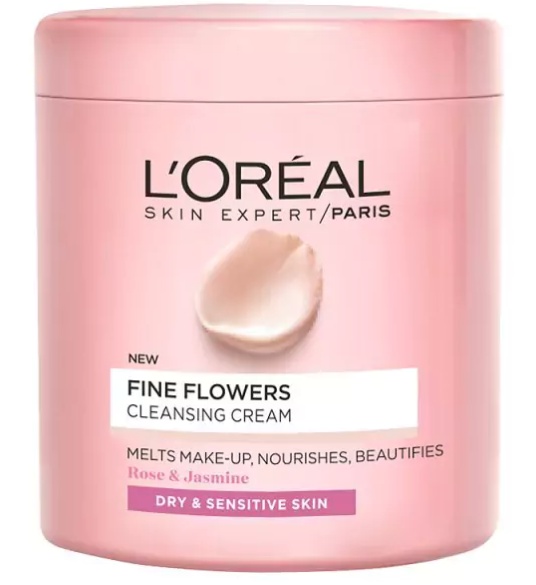
L'Oreal Fine Flowers Cleansing Cream
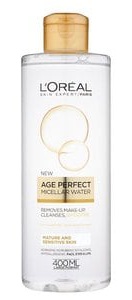
L’Oreal Fine Flowers Cleansing Cream is designed as a delicate makeup remover that balances effective cleansing with a nourishing, luxurious feel. Formulated with a base of mineral oil and emollients, this cream provides a rich, buttery texture that melts away stubborn cosmetics and impurities without stripping the skin’s natural moisture barrier. Primarily marketed for dry and sensitive skin types, the formula aims to leave the complexion feeling soft, supple, and comfortable. While it features floral extracts to provide a soothing sensory experience, the product relies heavily on a dense emollient structure to achieve its signature slip and moisturizing properties. Users looking for a deep, cream-based cleanse will find the texture exceptionally smooth, though those with congestion-prone skin should be mindful of its heavy ingredient profile. It is an effective option for removing long-wear makeup, provided your skin can tolerate rich, oil-based formulations.
Our Analysis
Our analysis flags L’Oreal Fine Flowers Cleansing Cream with a HIGH comedogenic risk level. The formula contains Isopropyl Myristate, a penetration enhancer with a 5/5 rating that can dive deep into pores and harden, leading to significant blockages. Additionally, Carrageenan is present; this thickener also carries a 5/5 rating and can create a physical film that traps bacteria and debris against the skin. While Tocopherol (Vitamin E) is an antioxidant, its sticky consistency in this concentration may further contribute to pore congestion. For those prone to acne, these ingredients represent a high probability of triggering breakouts.
Skin Type Recommendations
This product is best suited for very dry, mature, or non-acne-prone sensitive skin that needs a moisture-heavy cleanser. It is not recommended for oily, combination, or acne-prone skin types, as the high-rated comedogenic ingredients like Isopropyl Myristate and Carrageenan are highly likely to cause clogged pores and cystic acne.
Flagged Ingredients
Penetration enhancer that dives deep into pores and hardens, causing blockages.
Highly comedogenic thickener; creates a physical film that traps bacteria and debris.
Pure Vitamin E is thick and sticky; safe in small amounts as an antioxidant, but potentially clogging in pure oil form.
Want Deeper Analysis?
Run our MACR (Multi-Axis Comedogenic Risk) analysis to get a comprehensive 5-axis risk assessment. This AI-powered analysis evaluates ingredients for Plugging Risk, Barrier Damage, Fungal Acne Risk, Oxidation Risk, and real-world User Reports — giving you personalized scores for your skin type.