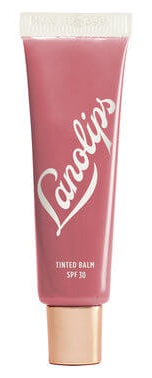
Lanolips Tinted Balm Spf 30
Lanolips Tinted Balm SPF 30 is a multi-tasking lip treatment that combines deep hydration with a sheer wash of color and essential sun protection. As a brand known for its high-grade lanolin, this product utilizes the ultra-pure emollient to mimic skin’s natural oils, making it a favorite for those with chronically dry or chapped lips. The formula is enriched with Theobroma Cacao Seed Butter and Sweet Almond Oil, providing a rich, buttery texture that glides on smoothly without feeling sticky. With the addition of Titanium Dioxide for mineral SPF 30 protection, it serves as a protective shield against environmental stressors. While the texture is decadent and soothing, the heavy presence of natural fats and waxes creates a highly occlusive barrier. This makes it incredibly effective at locking in moisture for the delicate lip area, though the richness of the ingredients requires a closer look for those who experience breakouts around the mouth or have sensitive, reactive skin types.
Our Analysis
Our analysis classifies Lanolips Tinted Balm SPF 30 as having a HIGH comedogenic risk. The formula contains Cocoa Butter and Coconut Oil, both of which carry a 4/5 rating, meaning they are highly likely to clog pores. These ingredients are rich in Lauric and Oleic acids which can solidify within the pore or trap sebum. Additionally, the combination of Lanolin and Beeswax creates a dense occlusive film. While these are excellent for healing dry lips, they can migrate to the surrounding skin and trigger perioral acne or blackheads for those with acne-prone skin.
Skin Type Recommendations
This product is best for very dry, dehydrated, or mature skin types needing intense moisture. It is not recommended for oily or acne-prone skin, especially those prone to breakouts around the lip line (perioral dermatitis), due to the high concentration of pore-clogging cocoa butter and coconut oil.
Flagged Ingredients
Highly occlusive fat rich in Oleic/Stearic acids; traps sebum.
High Lauric Acid content solidifies inside the pore.
Natural emollient derived from sheep wool. Pure lanolin has moderate risk, but derivatives like acetylated lanolin are significantly more comedogenic (rating 4-5).
Forms a breathable barrier; rarely clogs pores directly but can trap other comedogenic ingredients underneath it.
Pure Vitamin E is thick and sticky; safe in small amounts as an antioxidant, but potentially clogging in pure oil form.
Rich in Oleic acid; nourishing for dry skin but potentially occlusive for oily skin.
Found in many butters; thickening agent with low-moderate risk.
Want Deeper Analysis?
Run our MACR (Multi-Axis Comedogenic Risk) analysis to get a comprehensive 5-axis risk assessment. This AI-powered analysis evaluates ingredients for Plugging Risk, Barrier Damage, Fungal Acne Risk, Oxidation Risk, and real-world User Reports — giving you personalized scores for your skin type.