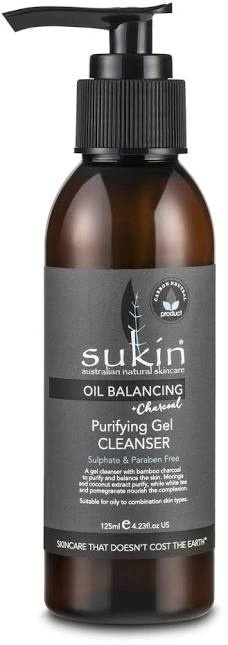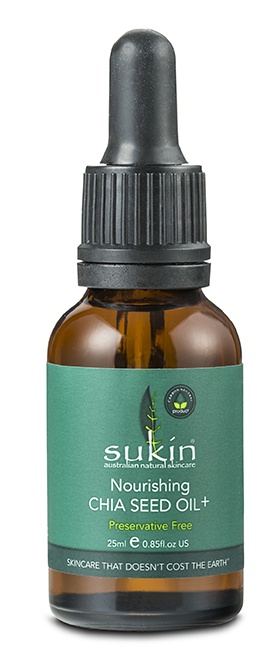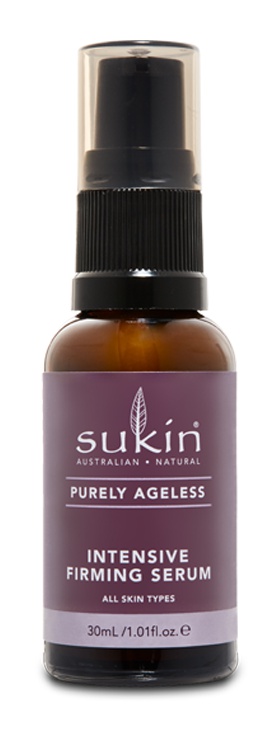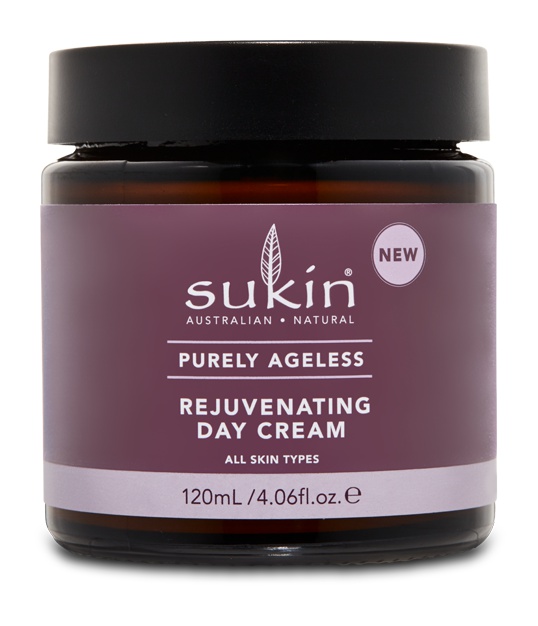
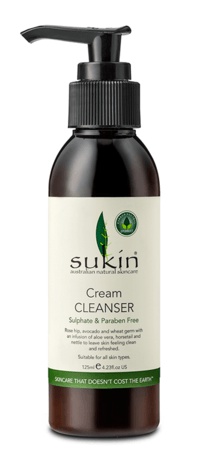
Sukin Cream Cleanser
Sukin Cream Cleanser is marketed as a gentle, non-drying facial cleanser designed to remove makeup and impurities while keeping the skin hydrated. This natural Australian skincare staple features a base of Aloe Barbadensis Leaf Juice and Sesame Seed Oil, providing an immediate soothing effect and a rich, creamy texture that feels luxurious upon application. Infused with botanical extracts like Rosehip and Avocado oil, it aims to nourish the skin barrier with essential fatty acids. While the inclusion of Vitamin E (Tocopherol) provides antioxidant protection, the overall formulation is quite heavy and emollient-rich. It is designed to leave the skin feeling soft and supple rather than 'squeaky clean,' making it a popular choice for those looking for a traditional cream-based wash. However, for those monitoring their pore health, the ingredient list reveals several components that require closer inspection to ensure they do not lead to unwanted congestion or breakouts. While it avoids harsh sulfates, the combination of rich oils and specific emulsifiers defines its performance and potential impact on acne-prone skin.
Our Analysis
Our analysis of the Sukin Cream Cleanser reveals a High Comedogenic Risk for acne-prone individuals. The formula contains several highly problematic ingredients, most notably Wheat Germ Oil and Ceteareth-20, both of which carry a maximum 5/5 comedogenic rating. Wheat germ oil is notorious for clogging pores, while Ceteareth-20 acts as a penetration enhancer that can drag other heavy ingredients, like Cocoa Butter (Rating 4/5), deeper into the follicles. Furthermore, the combination of Cetearyl Alcohol and Ceteareth-20 creates a synergistic effect that significantly increases the likelihood of congestion. These ingredients make the product high-risk for anyone prone to blackheads or whiteheads.
Skin Type Recommendations
This cleanser is best suited for very dry or mature skin types that are not prone to acne. Due to the high concentrations of Wheat Germ Oil, Cocoa Butter, and the Ceteareth-20/Cetearyl Alcohol complex, it is strongly discouraged for oily, combination, or acne-prone skin, as it is highly likely to cause breakouts.
Flagged Ingredients
Highly comedogenic penetration enhancer. Opens the skin barrier to drag other ingredients deeper, causing congestion.
Extremely high comedogenicity in rabbit ear assays; historically consistent pore-clogger.
Highly occlusive fat rich in Oleic/Stearic acids; traps sebum.
Fatty alcohol emollient with low-moderate comedogenicity on its own. However, when combined with Ceteareth-20, the synergistic effect can significantly increase pore-clogging potential (combined rating of 4).
Rich and heavy oil; excellent for dry skin but can be too heavy for very oily skin types.
Pure Vitamin E is thick and sticky; safe in small amounts as an antioxidant, but potentially clogging in pure oil form.
Want Deeper Analysis?
Run our MACR (Multi-Axis Comedogenic Risk) analysis to get a comprehensive 5-axis risk assessment. This AI-powered analysis evaluates ingredients for Plugging Risk, Barrier Damage, Fungal Acne Risk, Oxidation Risk, and real-world User Reports — giving you personalized scores for your skin type.